There is something deeply compelling about a room that feels like it belongs inside an old university library — walls lined with books, warm candlelight flickering across a leather-topped desk, the faint smell of aged paper in the air. The dark academia aesthetic captures exactly that mood. Rich, brooding tones. Layered textures. Furniture with history. If you have been searching for dark academia home office ideas that go beyond a few candles and a skull paperweight, this guide walks through every element — from color and furniture to lighting and the small details that make a space feel genuinely atmospheric rather than just themed.
Defining the Dark Academia Aesthetic
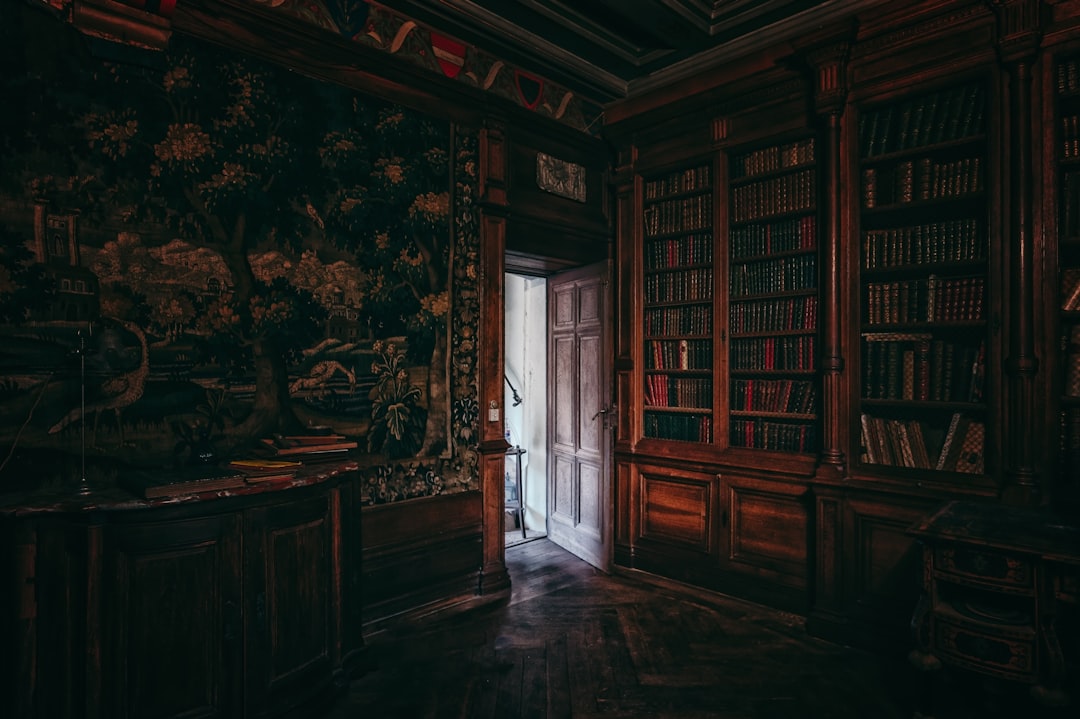
Dark academia is not a single look — it is a feeling. It draws from the visual language of Gothic architecture, British and Ivy League university libraries, nineteenth-century European studies, and literary romanticism. Think worn leather, candlelight, dark wood, and the sense that whoever sits at this desk has been there for hours, deeply absorbed in something important.
What separates a genuinely atmospheric dark academia office from a costume version is restraint and layering. The aesthetic rewards rooms that feel collected over time rather than assembled in an afternoon. Mismatched frames, a lamp that has clearly been used, a stack of books with broken spines — these imperfections are the point.
At its core, the style rests on a few defining pillars:
- Deep, saturated wall colors — forest green, charcoal, oxblood, dark walnut brown
- Natural materials: leather, aged wood, brass, linen, stone
- Books as primary decor, not just props
- Warm, low, layered lighting — never overhead fluorescents
- Vintage or antique-style furniture with visible wear
- Curated objects: globes, magnifying glasses, botanical prints, inkwells

Best Color Combinations for a Dark Academia Office
Color is the single fastest way to establish this aesthetic — and the most common place people hesitate. Going dark on walls feels risky, especially in smaller rooms or rentals. But a deep wall color is what makes the warm lighting, the wood tones, and the brass accents actually glow.
The most effective dark academia palettes for a home office:
- Forest green + aged brass + warm ivory — the most classic combination. Green walls absorb light beautifully and make gold-toned accents feel rich rather than flashy.
- Charcoal + deep burgundy + dark walnut — moodier and more dramatic. Works especially well in rooms with limited natural light.
- Oxblood red + black + antique cream — bold and literary. Best used with restraint — one oxblood accent wall rather than all four.
- Dark navy + warm wood + aged linen — slightly softer, easier to live with daily, still deeply atmospheric.
For renters who cannot paint, removable wallpaper in dark botanical prints or faux grasscloth in deep tones achieves a similar effect. Temporary solutions have improved dramatically — a well-chosen removable wallpaper on one wall can shift the entire mood of a room.
"A dark room does not feel smaller when it is well-lit. It feels more intimate — and that is exactly what a study should be."
Furniture and Materials That Define the Look
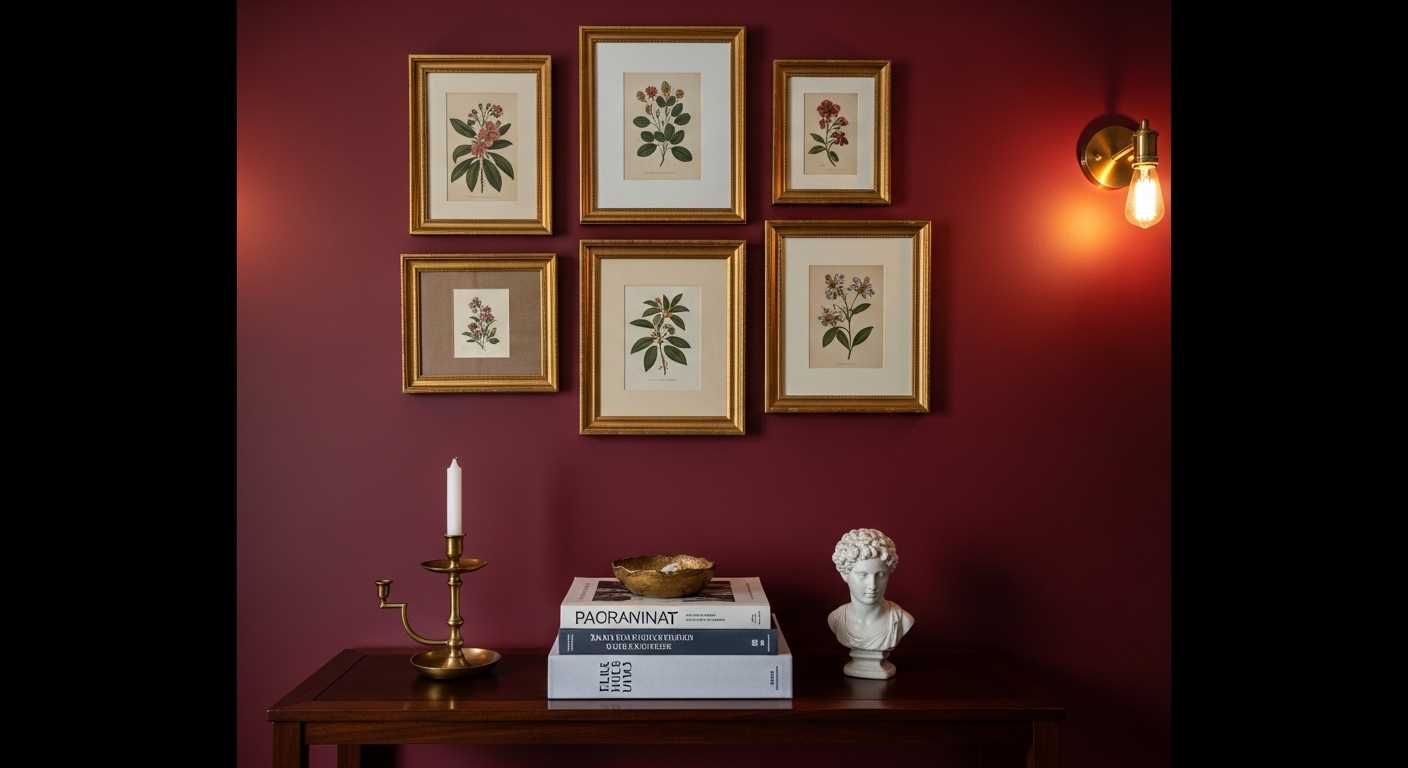
Dark academia furniture is not about matching sets. It is about pieces that look like they have a past. A roll-top desk found at an estate sale. A leather club chair that has softened with use. A bookshelf that sags slightly under the weight of too many volumes.
That said, you do not need antiques to achieve this. Many furniture retailers now produce pieces with the right silhouette and material language — the key is prioritizing:
- Solid wood over MDF — darker stains like espresso, walnut, or ebony
- Leather or faux leather seating — tufted backs, rolled arms, aged finishes
- Brass or antique bronze hardware — drawer pulls, lamp bases, shelf brackets
- Upholstered pieces in jewel tones — deep green velvet, burgundy wool, navy chenille
Oddly enough, mixing furniture periods often works better than trying to match everything. A Victorian-style desk paired with a mid-century leather chair and a modern brass floor lamp reads as curated rather than confused — as long as the materials and tones stay cohesive.
For small spaces, a secretary desk or a compact writing table with a hutch maximizes vertical storage without sacrificing the aesthetic. Wall-mounted shelves in dark wood keep floor space open while still allowing for the book-filled backdrop that defines the look.
Decor Accessories That Complete the Atmosphere
This is where dark academia offices either come alive or tip into parody. The accessories should feel like they belong to someone — not like they were ordered from a themed collection all at once.
Think about what a scholar, a writer, or a researcher might actually accumulate over years:
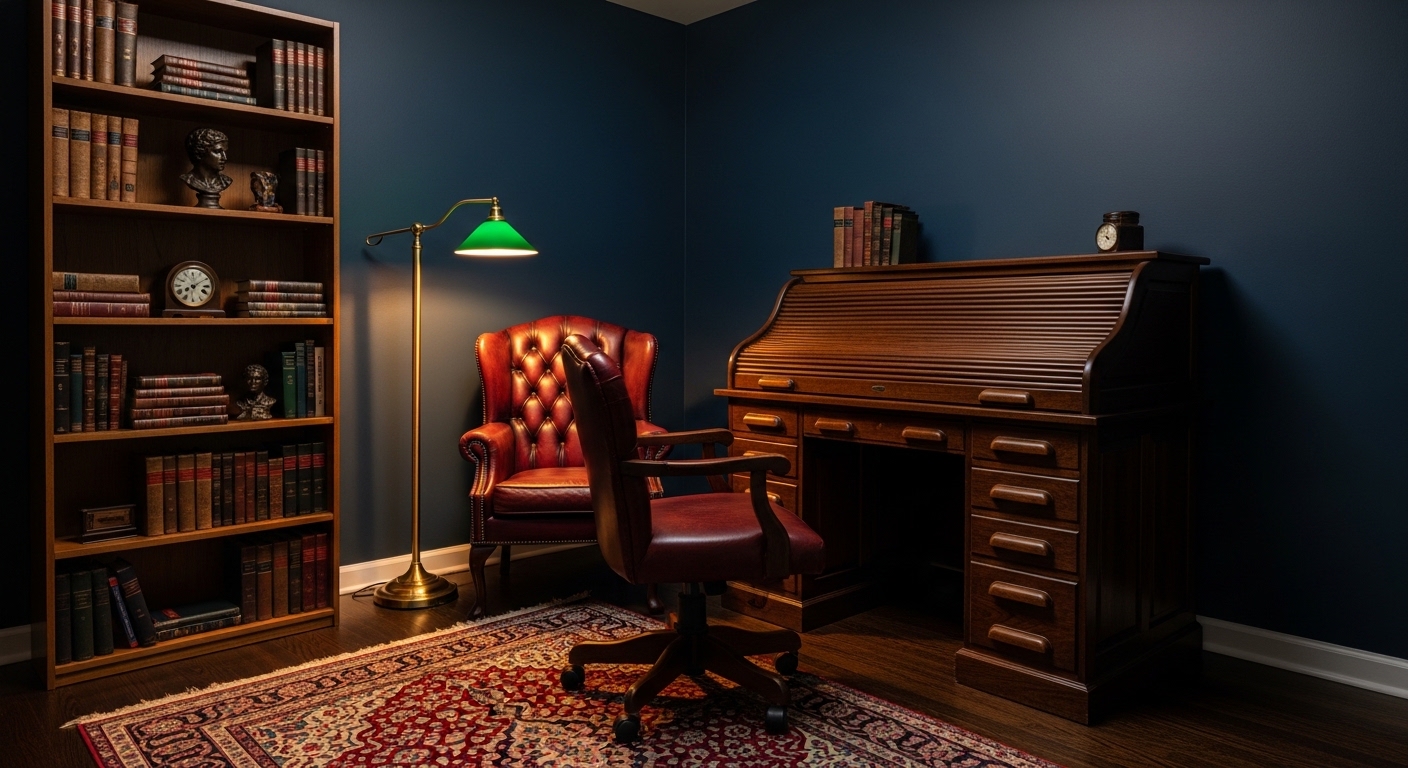
- Vintage maps or celestial charts in aged frames
- A terrestrial or celestial globe — brass-toned or antique cream
- Small ceramic or plaster busts (classical subjects work well)
- Dried botanical specimens or pressed flowers under glass
- A magnifying glass, a letter opener, a wax seal set
- Candles in dark glass holders or brass candlesticks
- A vintage typewriter — functional or decorative
- Leather-bound journals and notebooks stacked openly
Small apartments usually need fewer decor pieces than you think. In a dark academia office, a single well-chosen object on a desk — a brass inkwell, a small skull, one perfect botanical print — carries more weight than a surface crowded with props. Restraint reads as confidence.
Lighting and Atmosphere
Lighting is the soul of this aesthetic. Get it wrong and the most carefully decorated dark academia office will feel like a Halloween display. Get it right and the room will feel like somewhere you genuinely want to spend hours.
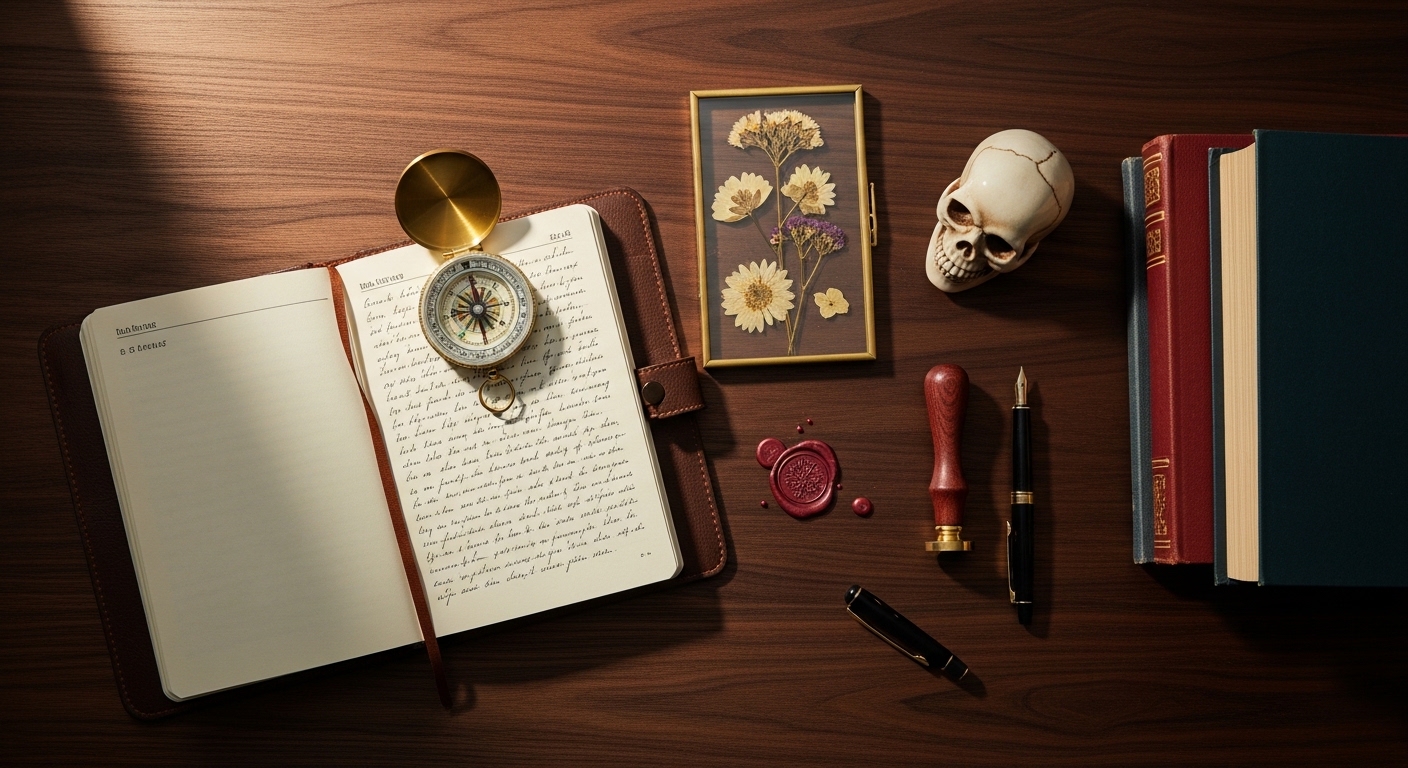
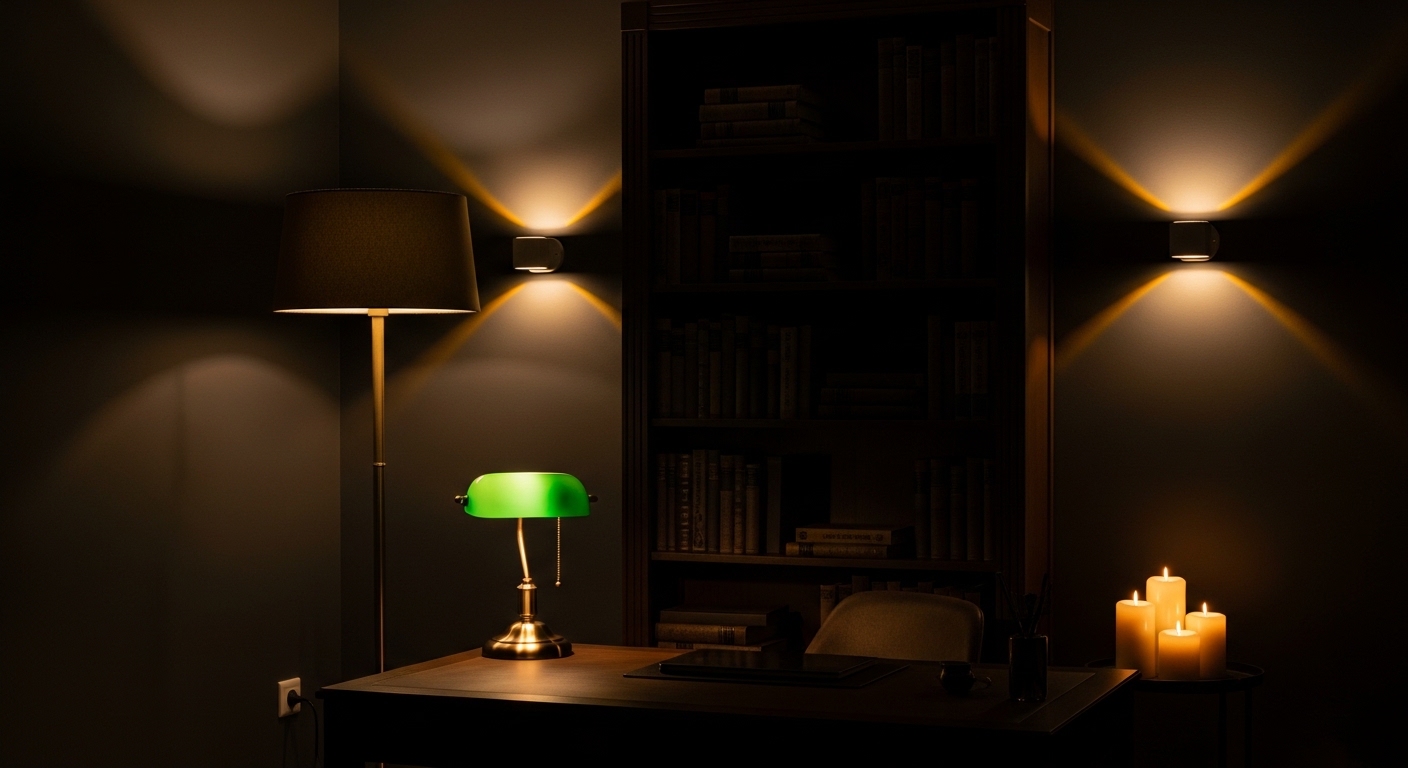
The rule is simple: no single overhead light source. Dark academia rooms are lit in layers — multiple warm light sources at different heights, creating pools of light rather than uniform brightness.
A practical layered lighting approach for a home office:
- Task lighting — a green banker's lamp or an adjustable brass desk lamp for actual work
- Ambient glow — a tall brass floor lamp with a fabric shade positioned behind or beside the reading chair
- Accent lighting — small plug-in wall sconces (renter-friendly) flanking a bookshelf or gallery wall
- Candles or flameless alternatives — grouped on the desk or a side table for atmosphere during non-working hours
Bulb choice matters enormously here. Warm white bulbs (2700K–3000K) are non-negotiable. Cool white or daylight bulbs will destroy the mood instantly. Edison-style filament bulbs in visible fixtures add to the visual warmth even when unlit.
At first, the room might feel too dim for focused work. Adding a second dedicated task lamp — even a small one tucked to the side — usually solves this without disrupting the atmosphere.
Common Mistakes to Avoid
Dark academia is one of the more forgiving aesthetics to work with — but a few missteps consistently flatten the effect.
- Over-theming with novelty items. Plastic skulls, cheap Halloween props, and mass-produced "aesthetic" accessories read as costume rather than character. Invest in one or two quality objects instead of ten cheap ones.
- Ignoring the ceiling and floor. Dark walls with a bright white ceiling and light-toned flooring breaks the immersion. A dark area rug and even a slightly warmer ceiling tone (warm white or a light greige) help contain the mood.
- Using cool-toned lighting. This single mistake undermines everything else. Warm bulbs only.
- Buying all-new furniture in matching sets. The aesthetic depends on the illusion of accumulation. Mix sources — thrift stores, vintage markets, budget retailers, and one or two investment pieces.
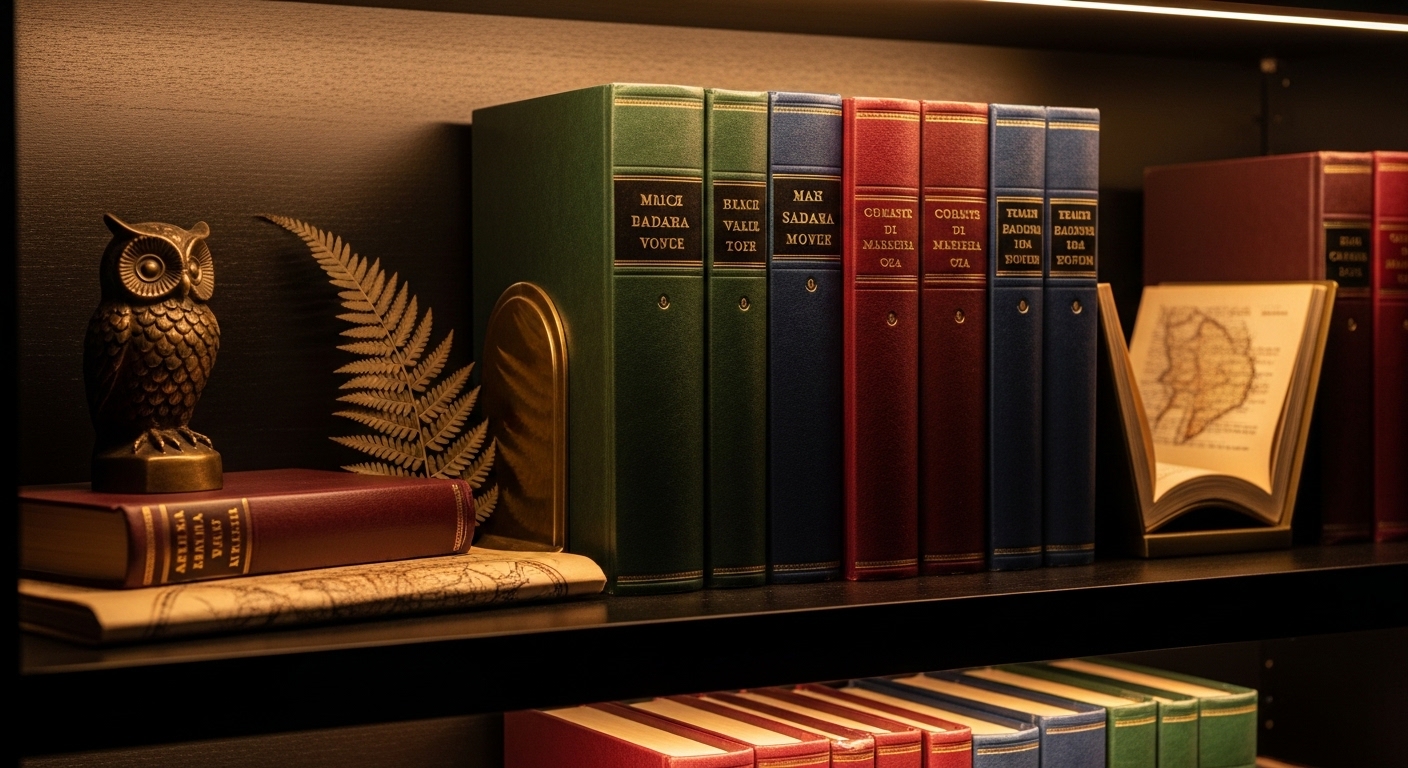
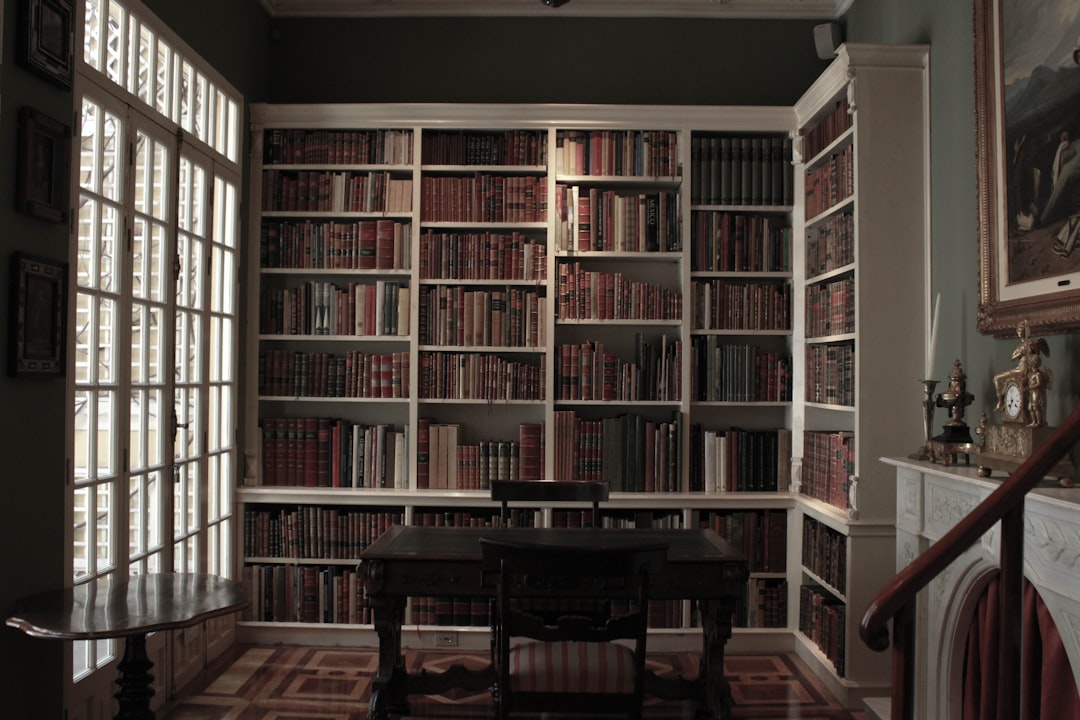
- Neglecting books as architecture. Books are not just props here — they are structural. Floor-to-ceiling shelving, stacked volumes used as risers, books arranged by color or size — these choices shape the visual weight of the room.
- Overcrowding a small space. Dark tones and heavy furniture in a tiny room can feel oppressive rather than cozy. Edit ruthlessly. A few well-chosen pieces in a small space outperform a crowded one every time.
Closing
A dark academia home office is not about recreating a set — it is about building a room that makes you want to sit down and stay. The richness of the tones, the warmth of the light, the weight of books on shelves — these things create an environment where focused, unhurried work actually feels possible. Start with one strong element: a deep wall color, a vintage desk, a properly layered lighting setup. Let the rest accumulate slowly. The rooms that feel most genuinely atmospheric are almost always the ones that were not finished in a single weekend.
Comments
Post a Comment