Designing a living room in a small apartment can feel like solving a puzzle — but the right moves make all the difference. Whether you're working with a studio layout or a narrow rectangular room, small apartment living room ideas are all about layering function with style. The goal isn't to make your space look bigger by hiding what it is. It's about making every square foot feel intentional, warm, and genuinely livable. From smart furniture placement to lighting tricks that open up a room, this guide walks you through everything you need to create a space you'll actually love coming home to.
Smart Layout Strategies
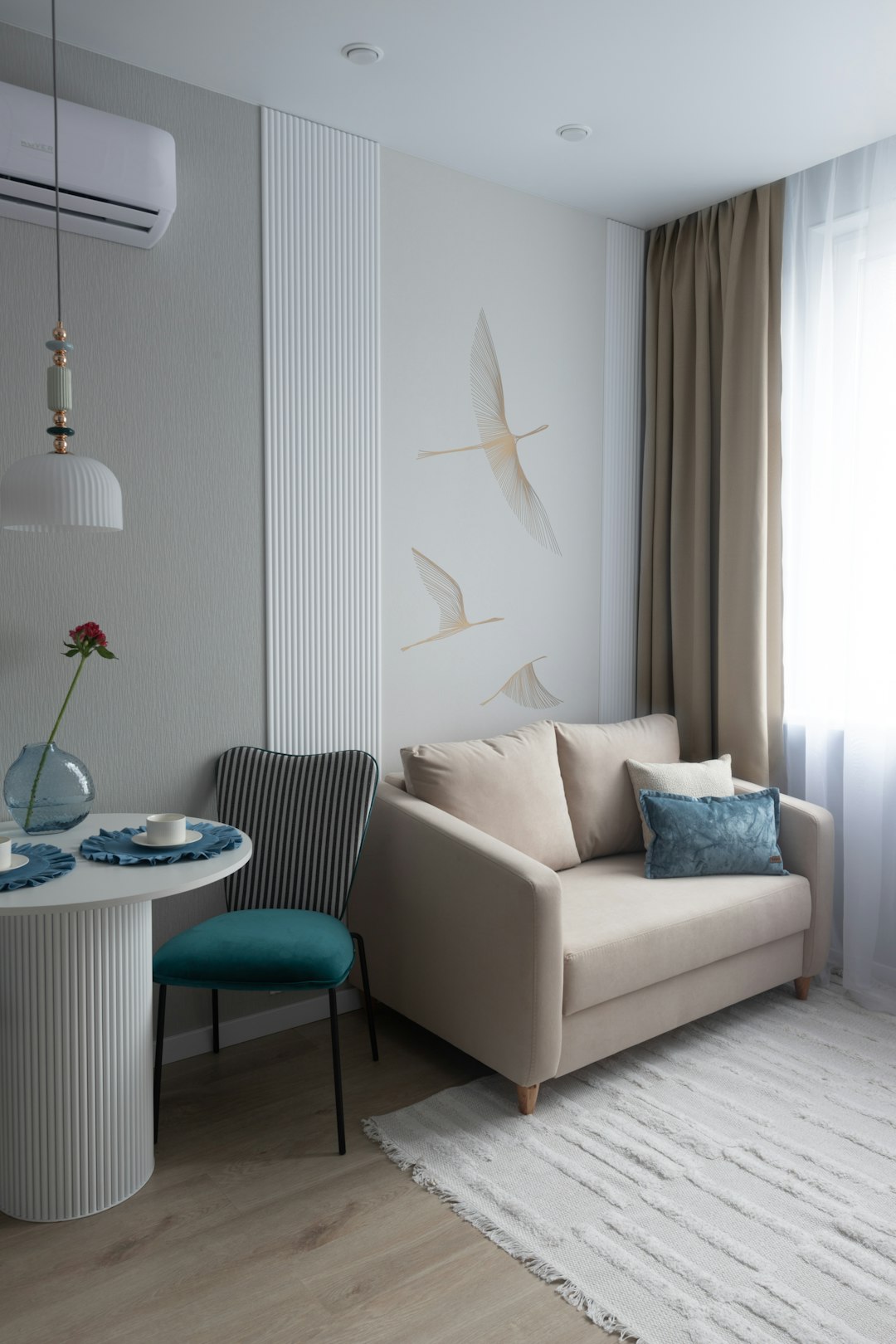
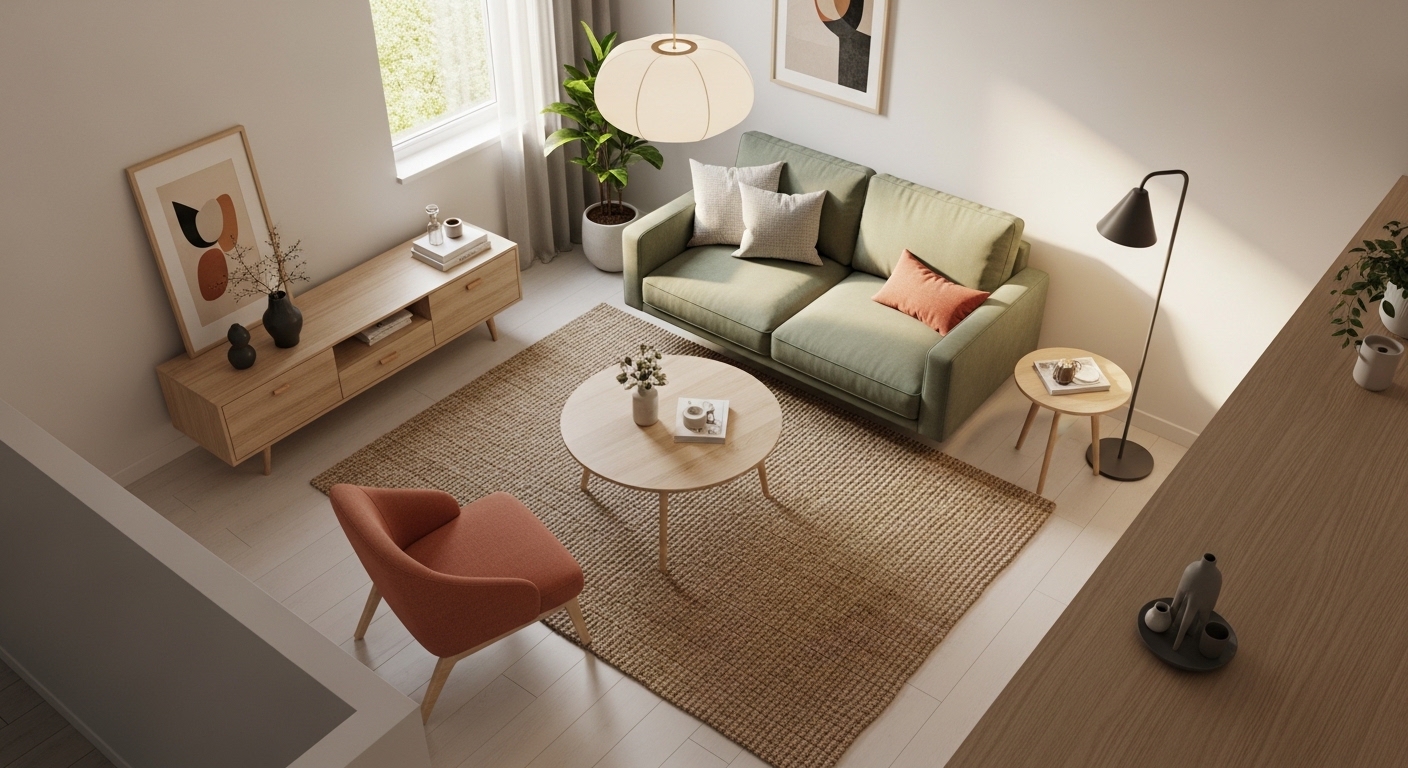
The layout is the foundation of everything. In a small living room, the instinct is often to push all furniture against the walls — but this actually makes a space feel more cramped, not less. Instead, try floating your sofa slightly away from the wall, even just a few inches. This creates a sense of depth and makes the room feel more curated.
Think in zones. Even in a compact space, you can define a seating area, a reading nook, and a small workspace using rugs, lighting, and furniture arrangement rather than walls. A round coffee table instead of a rectangular one improves flow and reduces visual clutter. Multifunctional anchor pieces — like a sofa with a chaise that doubles as a guest bed — do the heavy lifting without demanding extra square footage.
- Float furniture slightly away from walls to create visual depth.
- Use a round or oval coffee table to improve traffic flow.
- Define zones with area rugs rather than physical dividers.
- Choose a sofa scaled to your room — avoid oversized sectionals in tight spaces.
- Place the largest piece of furniture parallel to the longest wall.
Storage That Looks Stylish
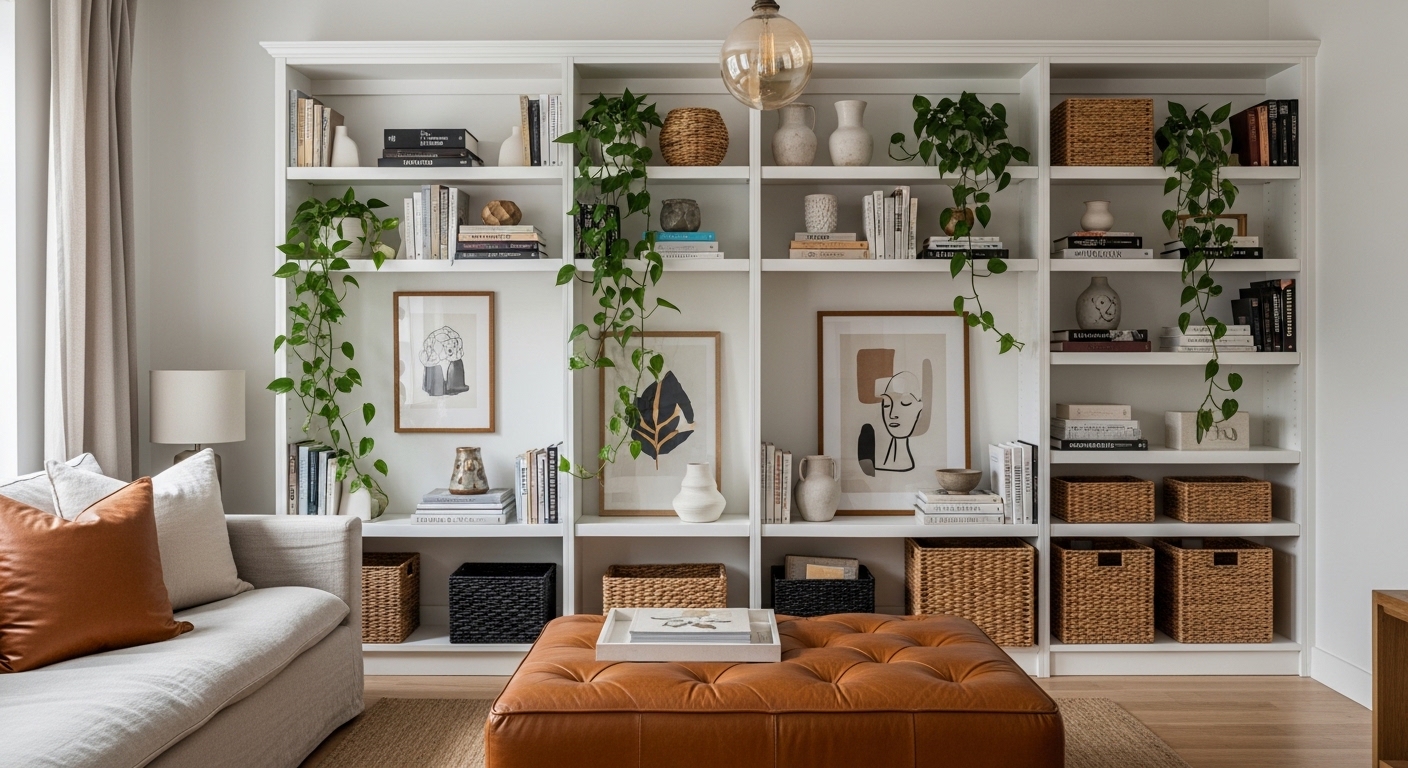
Storage in a small living room has to work twice as hard — it needs to hide the mess and look good doing it. The secret is going vertical. Floor-to-ceiling shelving draws the eye upward, making ceilings feel taller while giving you serious storage real estate. Style shelves with a mix of books, baskets, small plants, and a few decorative objects to keep it from looking like a warehouse.
Ottomans with hidden storage are one of the most underrated pieces in a small space. They serve as a coffee table, extra seating, and a place to stash blankets or remotes. Media consoles with closed cabinets keep tech clutter invisible. And don't overlook the space under your sofa — low-profile storage bins slide in and out without disrupting the aesthetic.
- Install floor-to-ceiling shelving to maximize vertical storage.
- Choose an ottoman with internal storage as your coffee table alternative.
- Use closed-door media consoles to hide cables and devices.
- Add decorative baskets on lower shelves for accessible everyday storage.
- Use under-sofa storage bins for seasonal items or extra linens.
Lighting Tricks for a Bigger Feel
Lighting is the most underestimated tool in small-space design. A single overhead ceiling light flattens a room and makes it feel like a waiting area. Layered lighting — combining ambient, task, and accent sources — creates dimension and warmth that makes even the smallest room feel expansive.
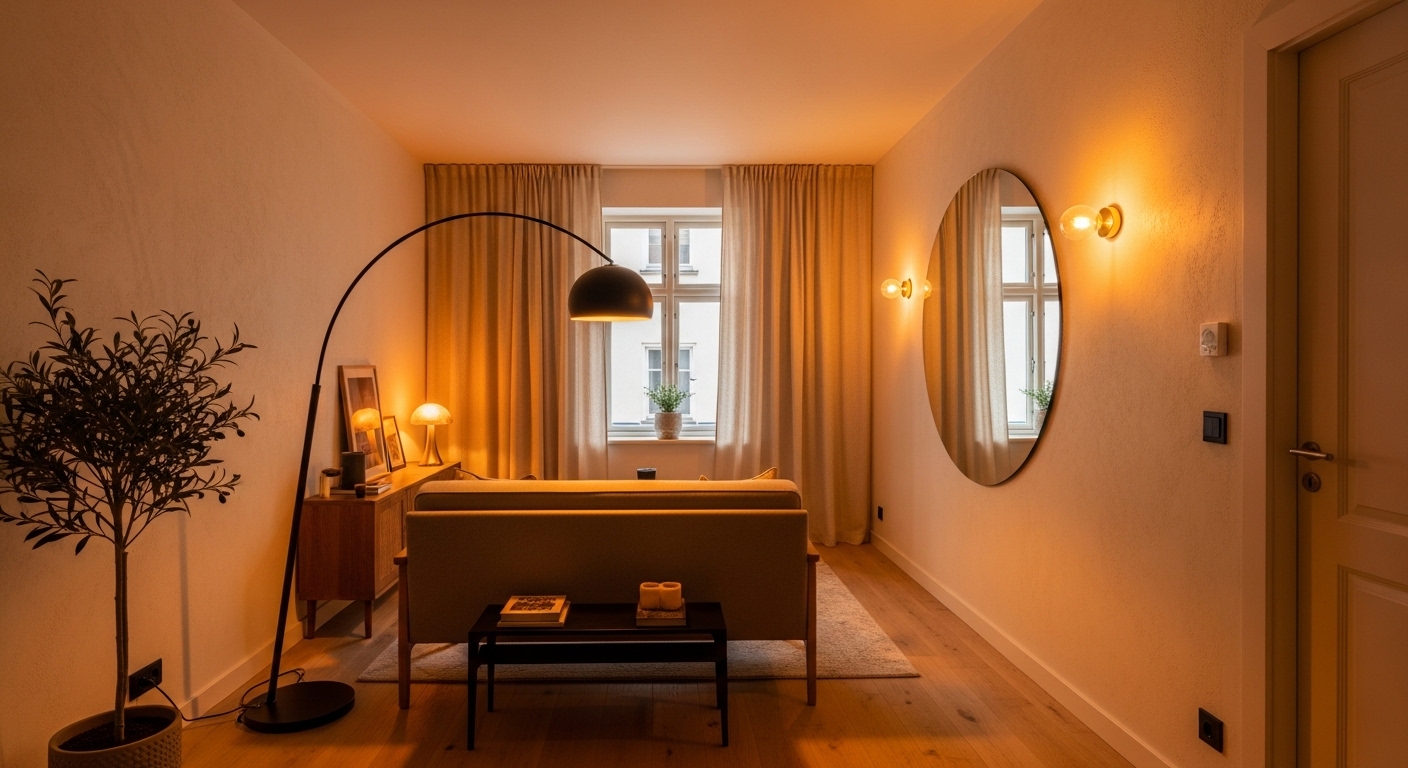
Place floor lamps in corners to push light into the edges of the room, which visually expands the walls. Wall sconces free up floor space while adding a soft glow at eye level. Mirrors positioned opposite windows bounce natural light around the room and create the illusion of a second window. Keep window treatments light and airy — sheer linen panels that pool slightly at the floor add height without blocking precious daylight.
"Light is the single most powerful tool you have in a small space. Layer it like you layer clothing — start with a base, add warmth, then finish with a focal point."
- Use floor lamps in corners to expand the perceived size of the room.
- Add wall sconces to free up floor and surface space.
- Hang a large mirror opposite your main window to double natural light.
- Choose sheer or linen curtains hung close to the ceiling to add height.
- Use warm-toned bulbs (approximately 2700K–3000K) for a cozy, inviting glow.
Color Palette Recommendations
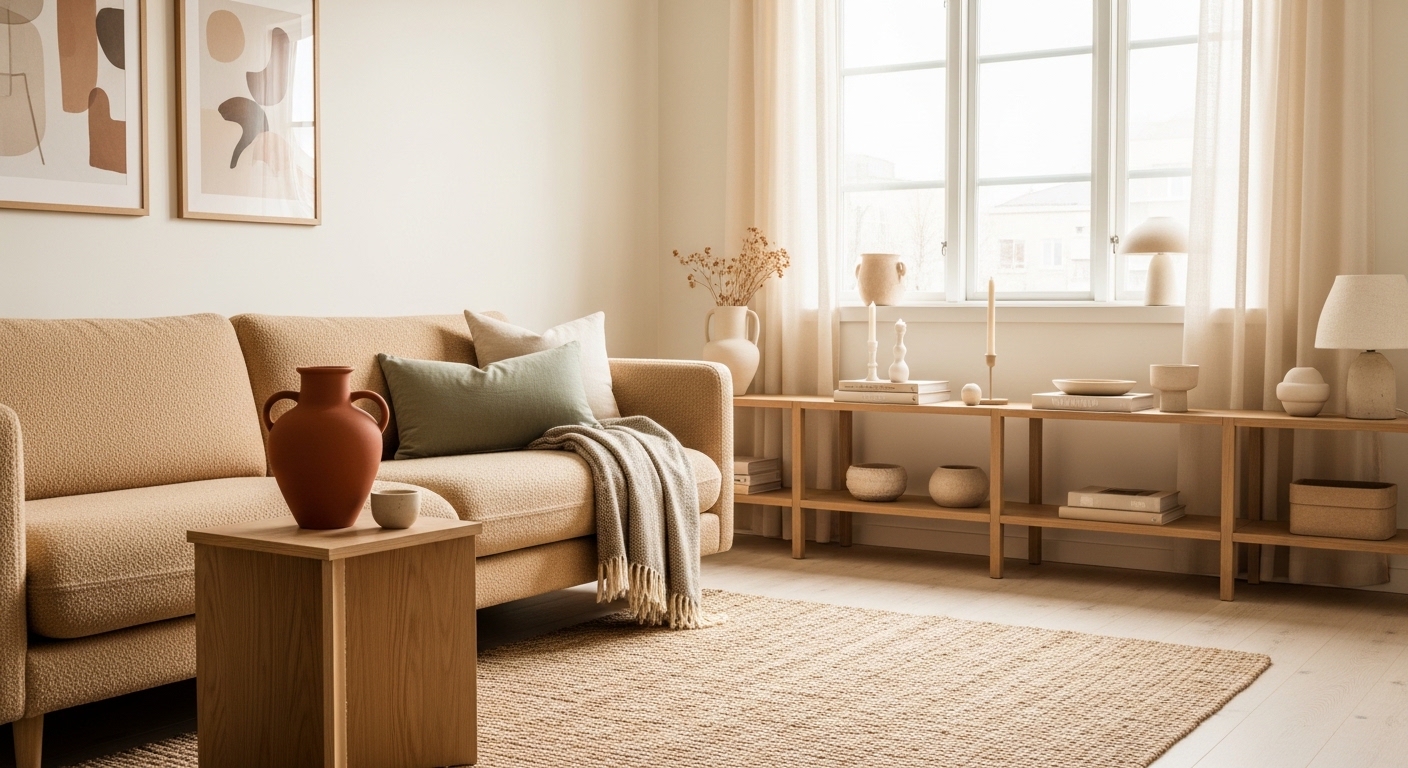
Color does more than set a mood — in a small space, it shapes perception. Light, airy tones like warm white, soft cream, and pale greige reflect light and make walls recede, giving the room a more open feel. But that doesn't mean you have to live in an all-white box. Warm neutrals with earthy undertones — think terracotta, warm sand, and dusty sage — add richness without closing the space in.
If you love deeper tones, use them strategically. A single accent wall in a moody olive green or warm charcoal can add drama and depth without overwhelming the room. Keep the remaining walls light to maintain balance. Tone-on-tone layering — using varying shades of the same color family across walls, textiles, and furniture — creates a sophisticated, cohesive look that feels intentional rather than busy.
- Warm whites and creams: Reflect light and create an airy, open base.
- Soft greige and warm sand: Add warmth without darkening the space.
- Dusty sage or muted olive: Bring in nature-inspired calm and depth.
- Terracotta accents: Add warmth and personality through cushions or decor.
- Tone-on-tone layering: Use varying shades of one hue for a cohesive, elevated look.
Cozy Finishing Touches
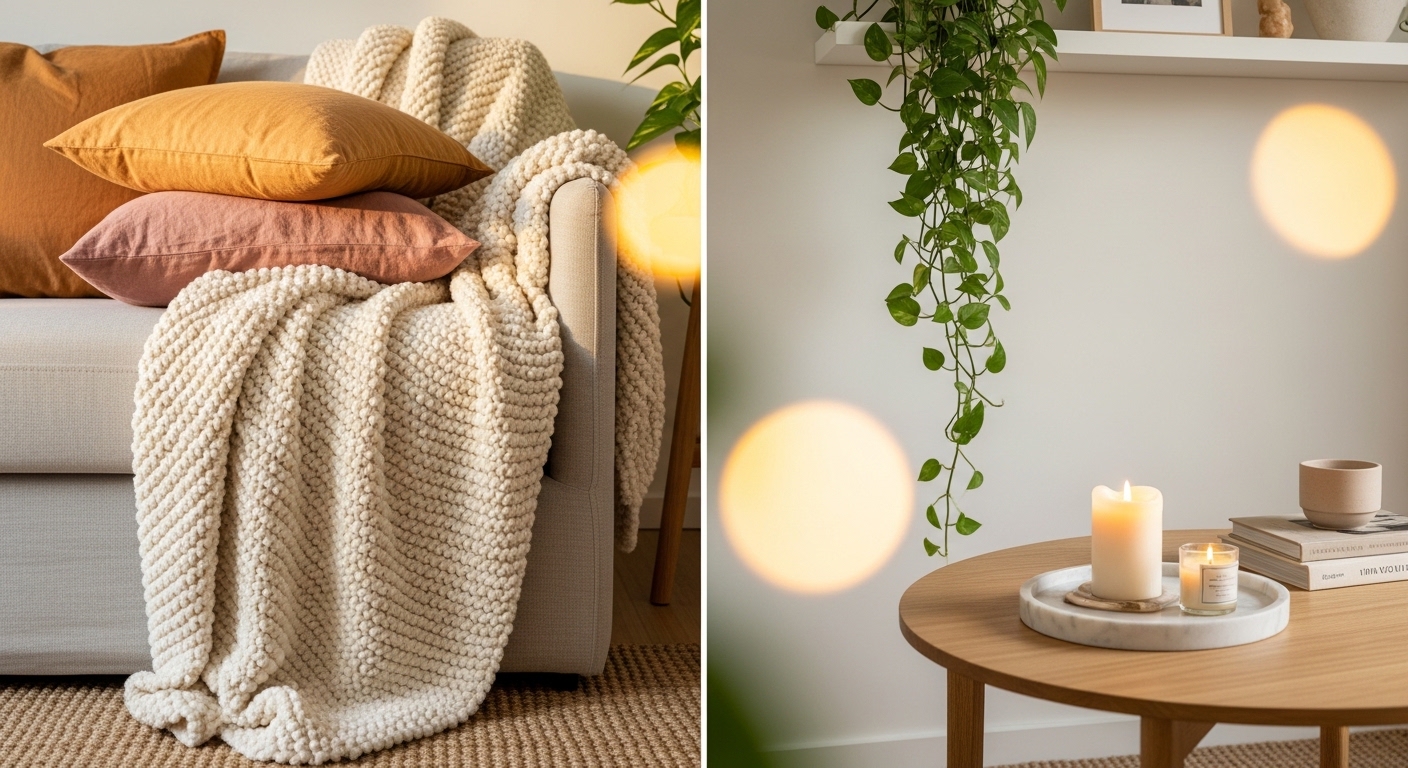
Once the layout and palette are in place, the finishing touches are what transform a room from styled to lived-in. Texture is your best friend here. Layer a chunky knit throw over the arm of your sofa, stack a few linen cushions in varying sizes, and add a woven jute or wool rug underfoot. These tactile elements create warmth and visual interest without taking up any floor space.
Plants bring life and softness to a small room in a way that no decor piece can replicate. A trailing pothos on a shelf, a small fiddle leaf fig in a corner, or a cluster of succulents on the coffee table all add organic texture and a sense of calm. Finish with a few personal objects — a stack of coffee table books, a candle with a beautiful vessel, a small piece of art leaned casually against the wall — and the room starts to feel like yours.
- Layer throws and cushions in varying textures for warmth and depth.
- Add a woven area rug to anchor the seating zone and add softness.
- Incorporate trailing or potted plants for organic texture and color.
- Style the coffee table with a tray, candle, and one or two books.
- Lean small art prints against the wall for a casual, editorial feel.
Budget-Friendly Upgrades
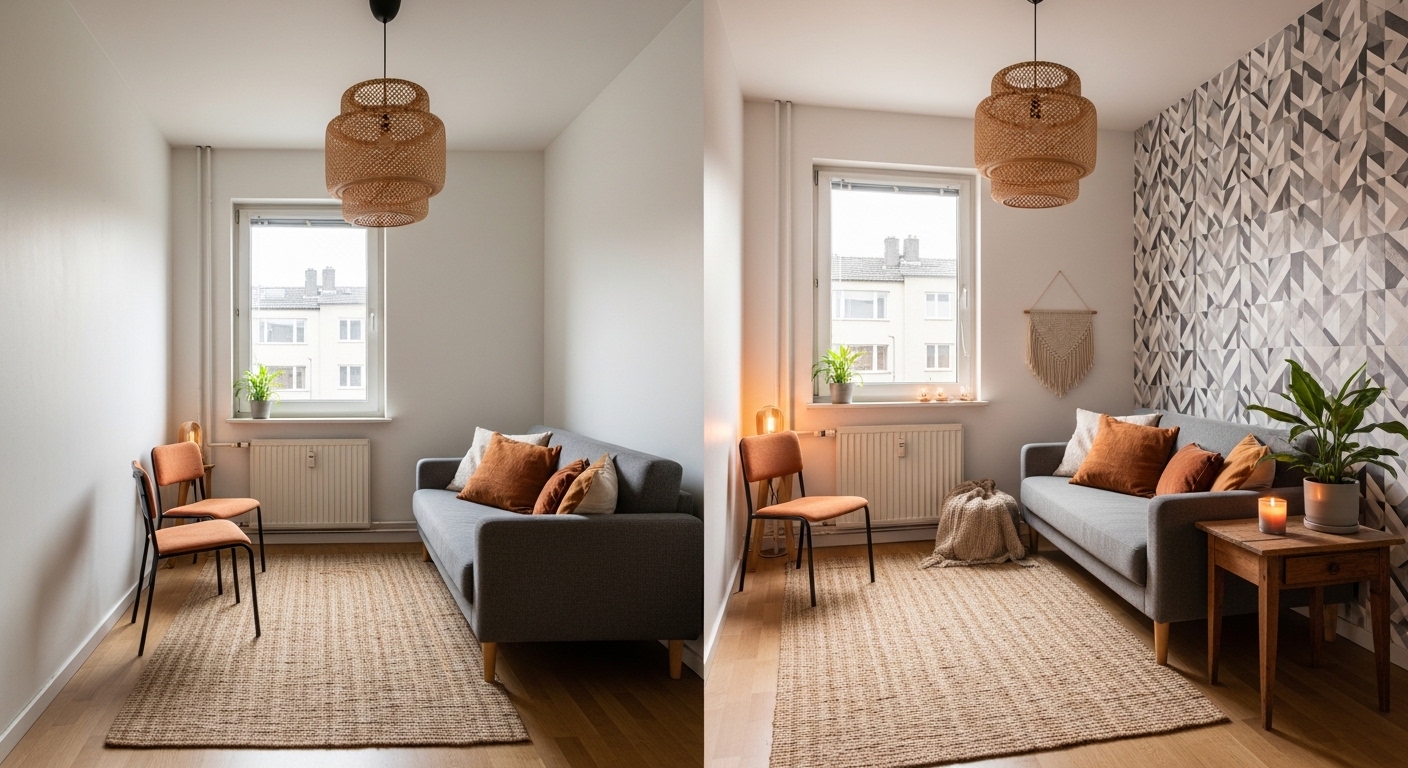
You don't need a full renovation budget to transform a small living room. Some of the most impactful changes cost very little. Swapping out hardware on existing furniture, adding peel-and-stick wallpaper to a single wall, or simply rearranging what you already own can completely shift the energy of a room. Thrift stores and online marketplaces are goldmines for finding solid wood furniture and vintage decor at a fraction of retail prices.
Prioritize upgrades that have the most visual impact. A new area rug (approximately $50–$200 depending on size and material) can anchor and define the entire room. New cushion covers refresh a tired sofa without replacing it. A statement pendant light (prices vary widely, from approximately $30 to $150 for stylish options) replaces a builder-grade fixture and instantly elevates the space. Small, strategic investments go a long way.
- Rearrange existing furniture before buying anything new — it costs nothing.
- Add a new area rug to anchor and define the seating zone (approximately $50–$200).
- Replace cushion covers for a sofa refresh without buying new furniture.
- Swap a builder-grade ceiling light for a statement pendant (approximately $30–$150).
- Shop thrift stores and online marketplaces for solid wood accent pieces.
- Use peel-and-stick wallpaper on one wall for a bold, removable accent.
A small living room is never a limitation — it's an invitation to be more intentional. When every piece earns its place and every corner tells a story, the result is a space that feels curated, personal, and deeply comfortable. Start with one section, one idea, one change. The room you've been imagining is closer than you think.
Comments
Post a Comment