Your master bedroom should be more than just a place to sleep. Adding a dedicated sitting area transforms it into a true personal retreat — a spot to read, unwind, sip morning coffee, or simply breathe. The challenge? Most bedrooms feel instantly crowded the moment a chair appears. The good news is that with the right layout, scale, and styling, even a modest master bedroom can hold a beautiful, functional sitting nook without sacrificing flow or comfort. Whether you have a generous corner to work with or just a few spare feet near a window, these master bedroom ideas with sitting area will help you design a space that feels intentional, layered, and deeply livable.
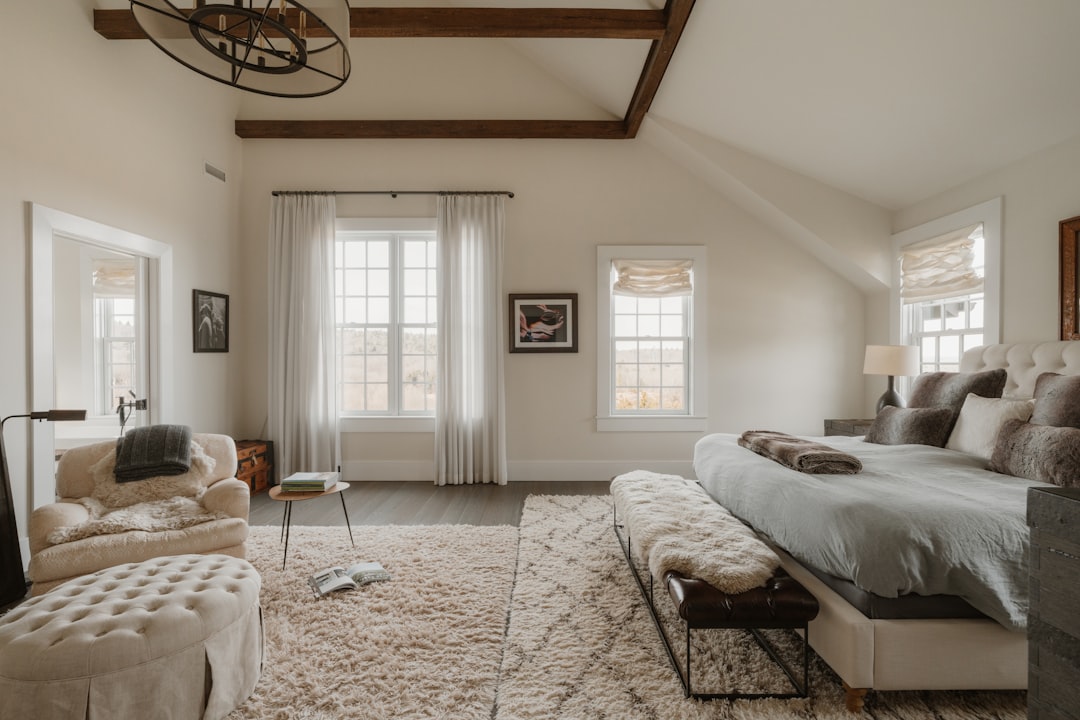
Start With a Clear Vision
Before moving a single piece of furniture, ask yourself how you actually want to use this space. A sitting area can mean very different things depending on your lifestyle and the room's proportions.
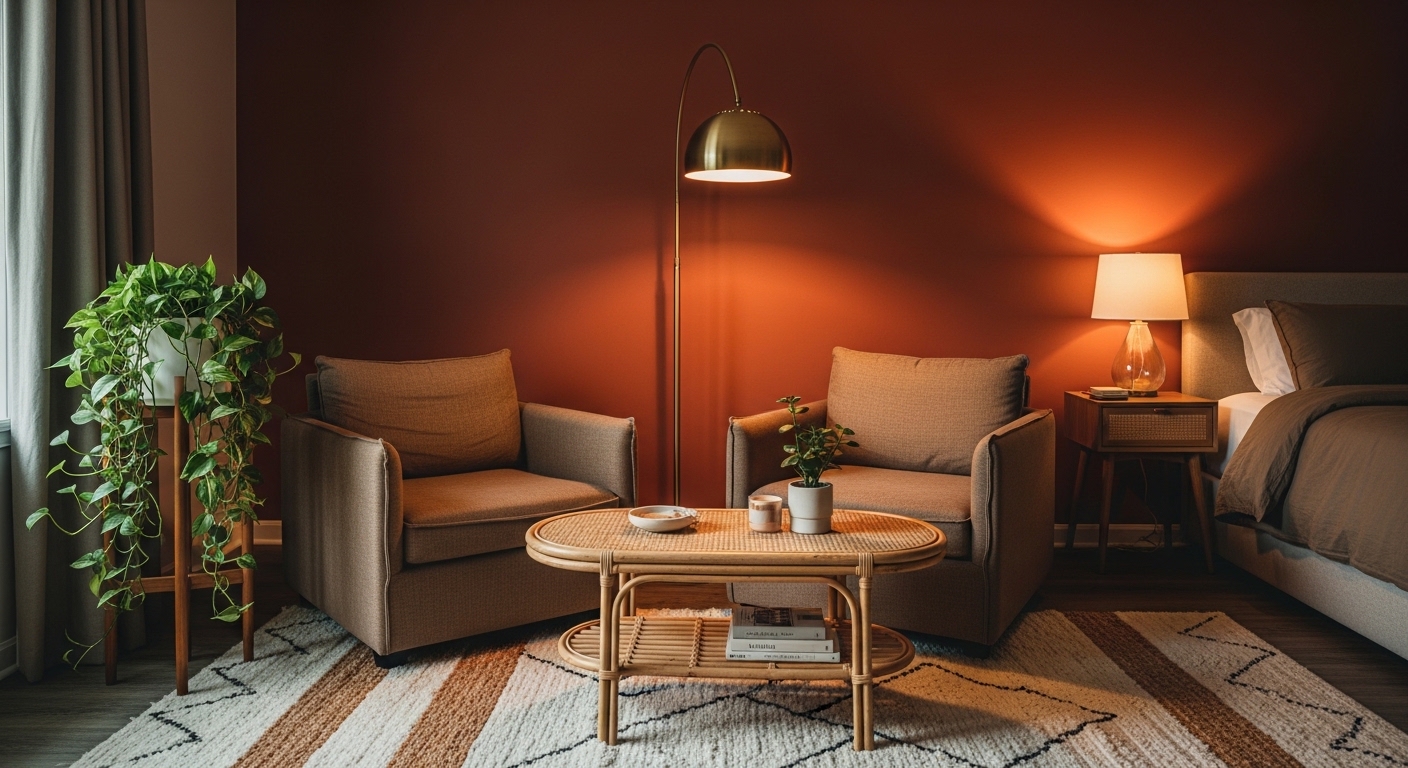
Are you dreaming of a quiet reading corner with a single chair and a floor lamp? A conversational duo of armchairs for morning routines? Or a small loveseat at the foot of the bed for lounging? Defining the purpose first prevents the most common mistake: buying furniture that looks beautiful in a showroom but overwhelms the room at home.
Sketch a rough floor plan — even on paper — and mark where natural light falls, where the door swings, and where traffic naturally flows. Your sitting area should feel like it belongs in the room, not like it was squeezed in as an afterthought.
"A sitting area in a bedroom works best when it borrows from the room's existing rhythm — same light source, same sightline, same sense of calm." — Interior Designer Principle
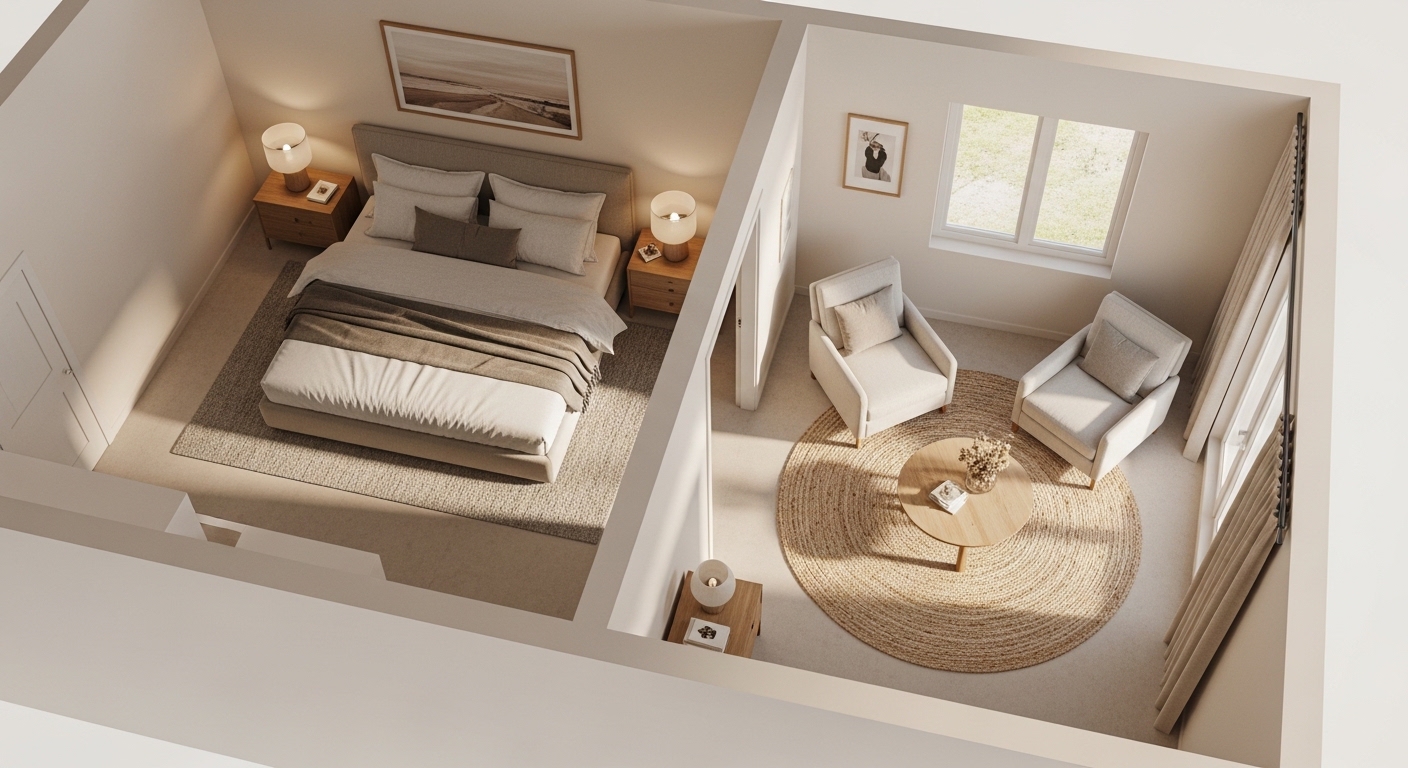
Step-by-Step Transformation Guide
Turning an underused corner into a polished sitting area is easier than it looks when you follow a clear sequence.
- Define the zone with a rug. Place a rug that is distinct from — but complementary to — any existing bedroom rug. This visually anchors the sitting area and separates it from the sleeping zone without walls or dividers.
- Choose right-sized seating. In most bedrooms, one or two accent chairs work better than a loveseat. Look for chairs with slim profiles, exposed legs, and low backs to keep the visual footprint light.
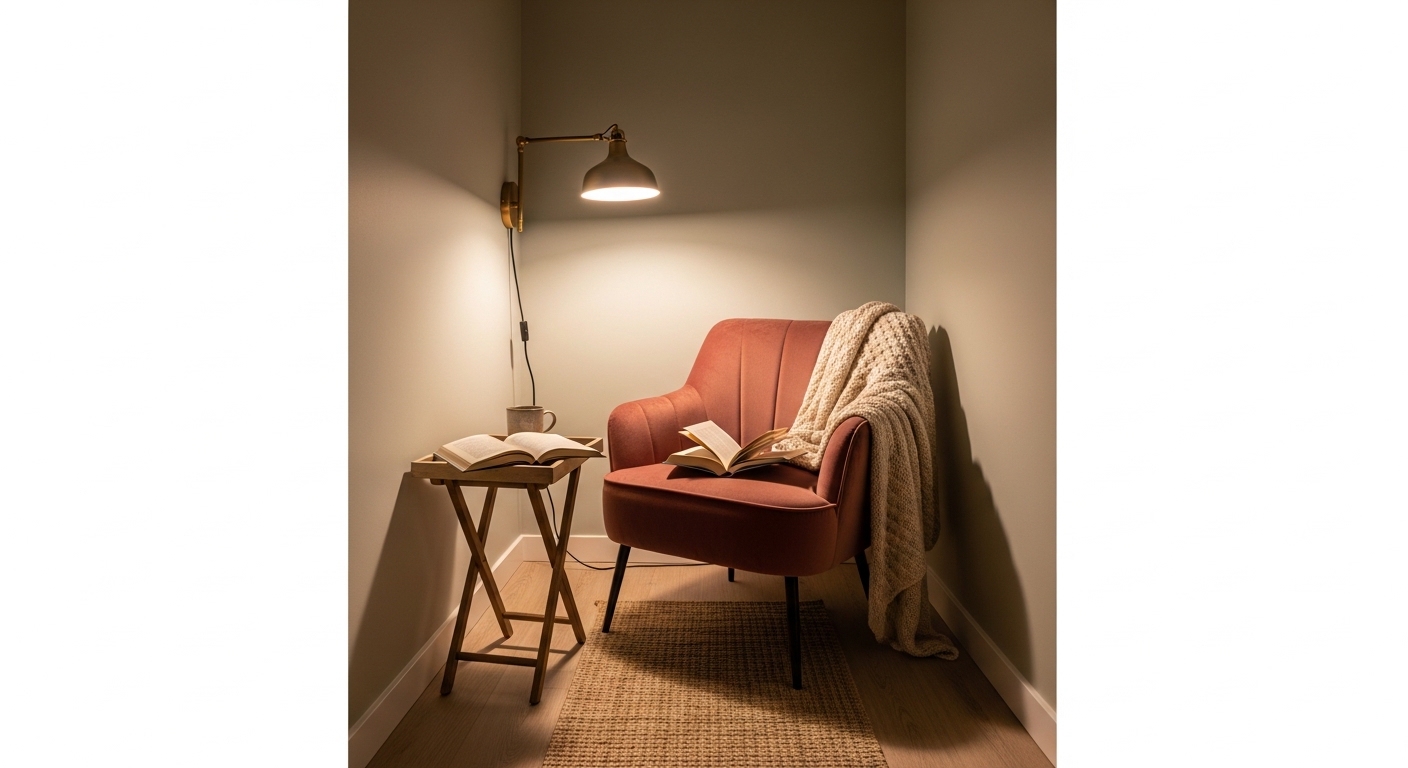
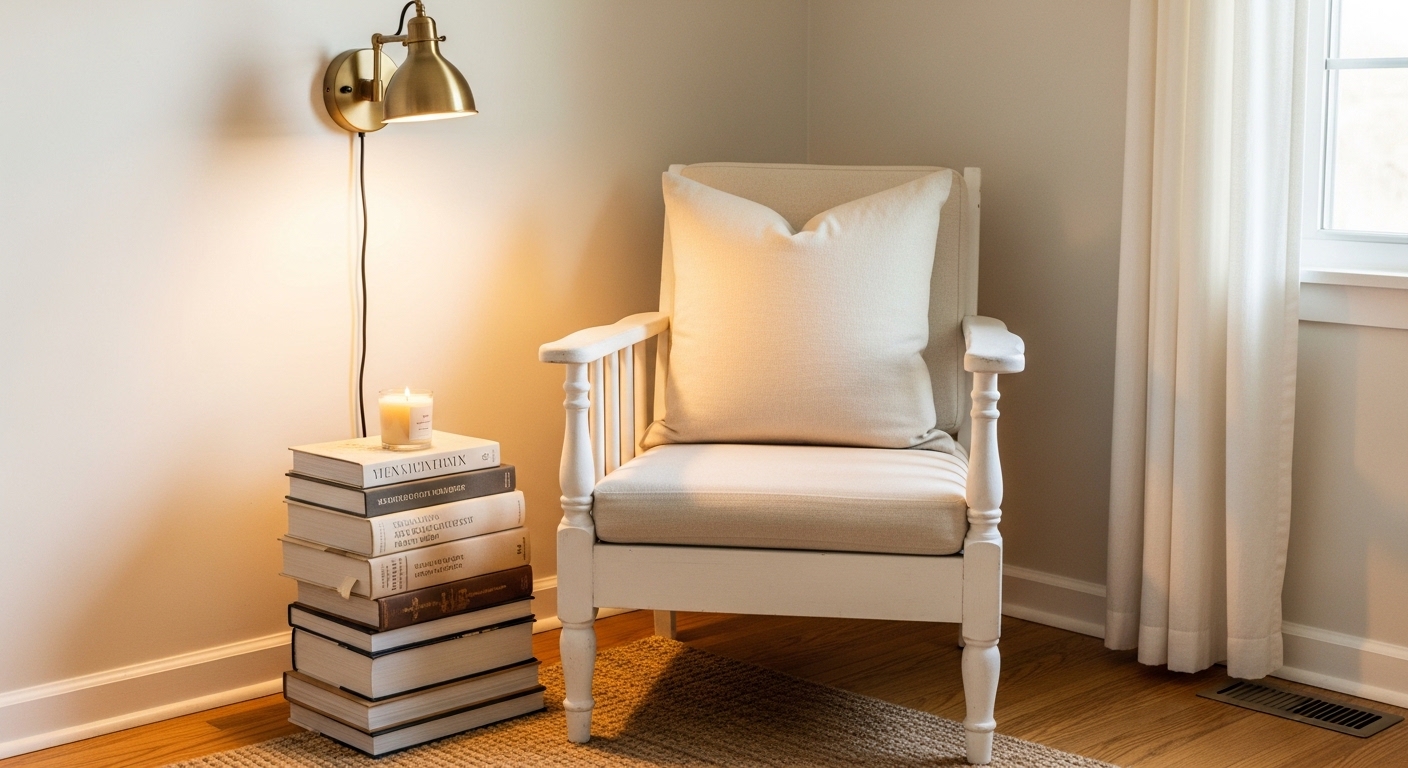
- Add a surface. A small side table, a drum stool, or even a stack of oversized books gives you somewhere to rest a drink, a candle, or your current read.
- Layer in lighting. A dedicated floor lamp or a wall-mounted sconce signals that this corner has its own identity. Warm-toned bulbs (approximately 2700K) create the coziest atmosphere.
- Style with intention. A throw blanket draped over one chair, a small tray on the side table, and a single plant or vase complete the look without cluttering the space.
Work through these steps one at a time rather than all at once. Each layer reveals whether the next one is truly needed.
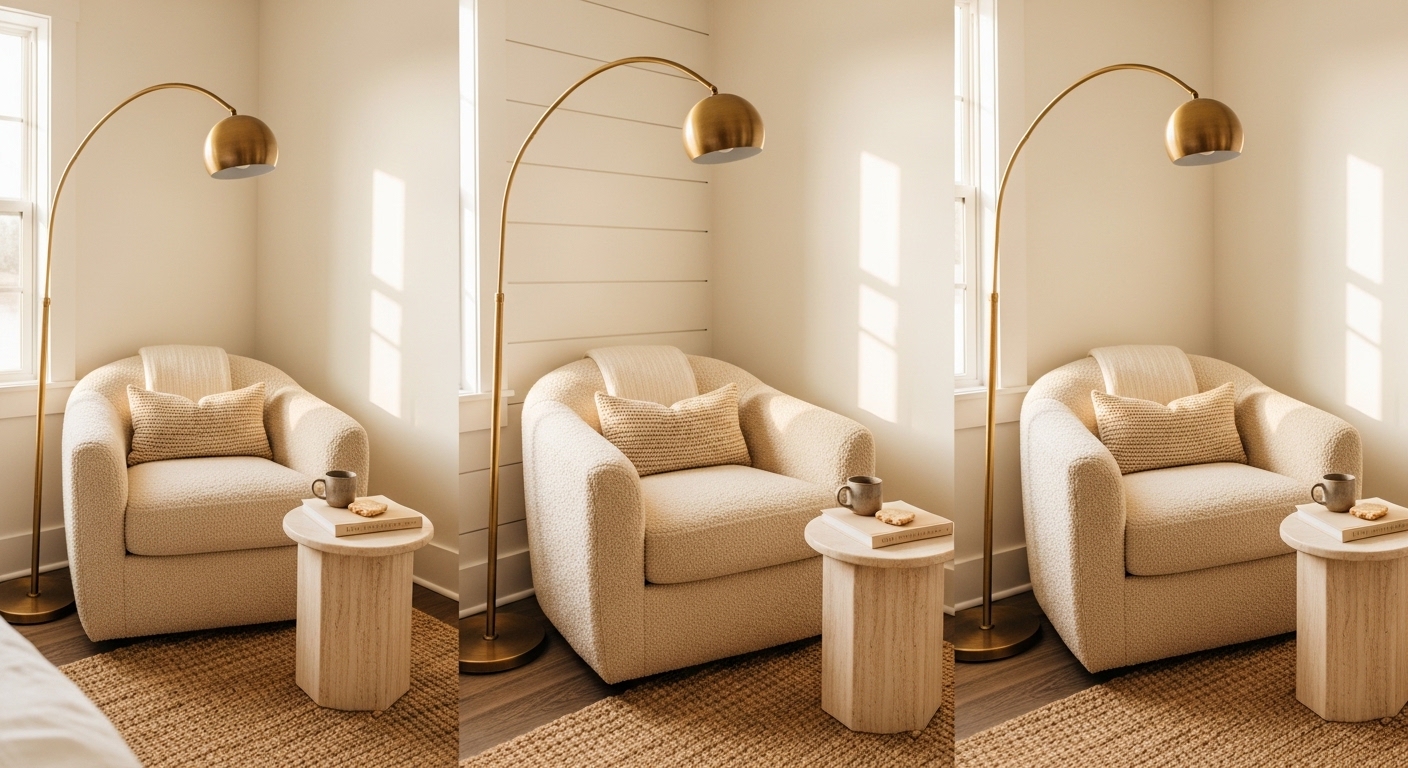
Product Picks & Where to Find Them
Sourcing the right pieces makes all the difference between a sitting area that looks curated and one that looks collected. Here are some reliable categories and what to look for in each.
- Accent Chairs (approximately $150–$600): Look for slim-profile chairs with tapered legs at retailers like Article, West Elm, or IKEA's POÄNG range — they read as light and airy even in smaller rooms.
- Small Side Tables (approximately $40–$200): Drum stools, nesting tables, or a simple round pedestal table in marble, oak, or rattan keep the scale appropriate and add texture.
- Area Rugs (approximately $80–$350): A 4x6 or 5x7 rug is usually ideal for a bedroom sitting nook. Wool, jute, or low-pile options in warm neutrals layer beautifully under seating.
- Floor Lamps (approximately $60–$250): Arched or tripod floor lamps in brass, matte black, or natural wood tones add height and warmth. Look for adjustable arms for reading functionality.
- Throw Blankets (approximately $30–$120): A chunky knit, waffle-weave, or cashmere-blend throw draped over a chair arm is one of the easiest ways to signal coziness.
- Decorative Pillows (approximately $20–$80 each): Two accent pillows per chair in complementary textures — think velvet against linen — add depth without bulk.
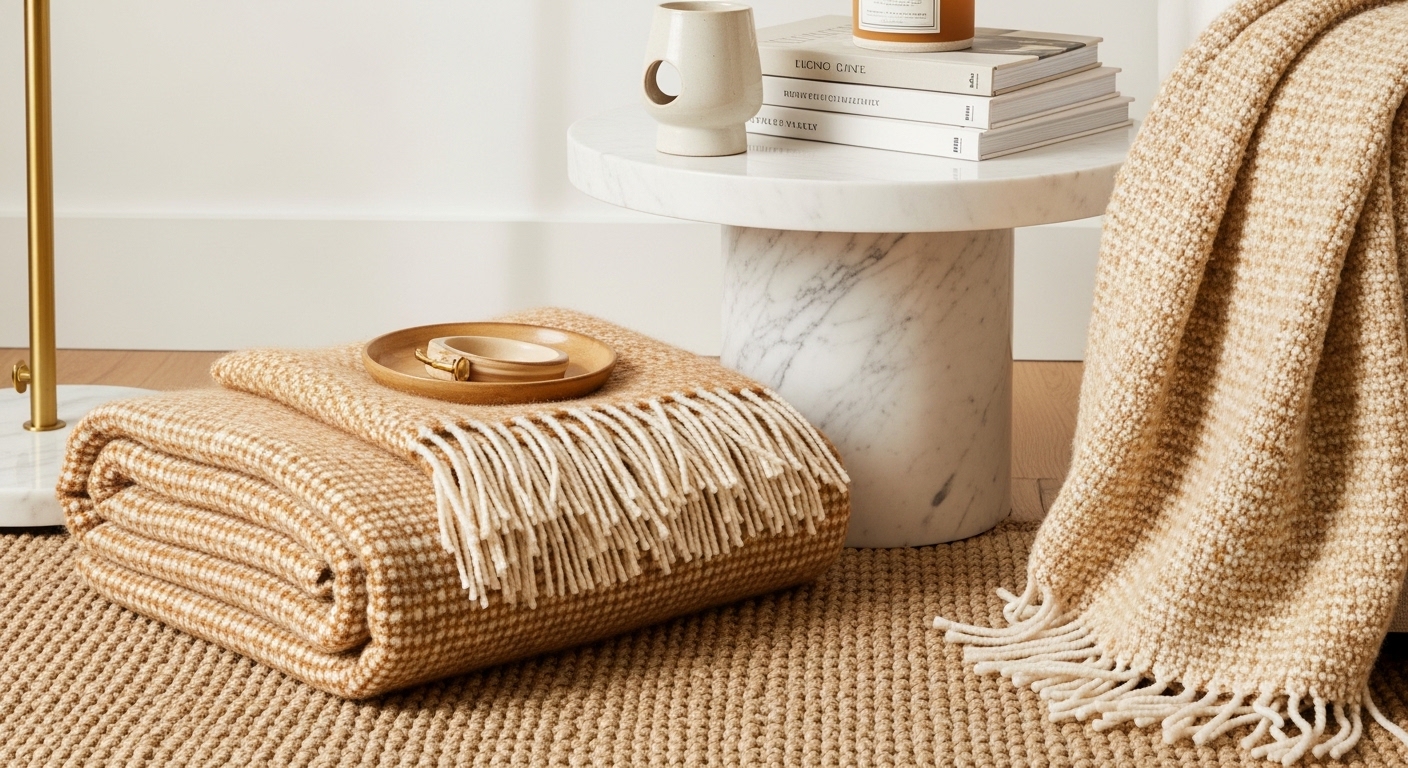
Styling Tips From Interior Designers
Professional designers consistently return to a handful of principles when adding a sitting area to a master bedroom. These are the ones worth keeping close.
- Respect the 18-inch rule. Leave at least 18 inches of clearance between seating and the bed, dresser, or any walkway. This keeps the room feeling open and prevents the sitting area from blocking natural movement.
- Match the seating height to the bed height. When chair seat height roughly aligns with mattress height, the room feels visually balanced and cohesive rather than choppy.
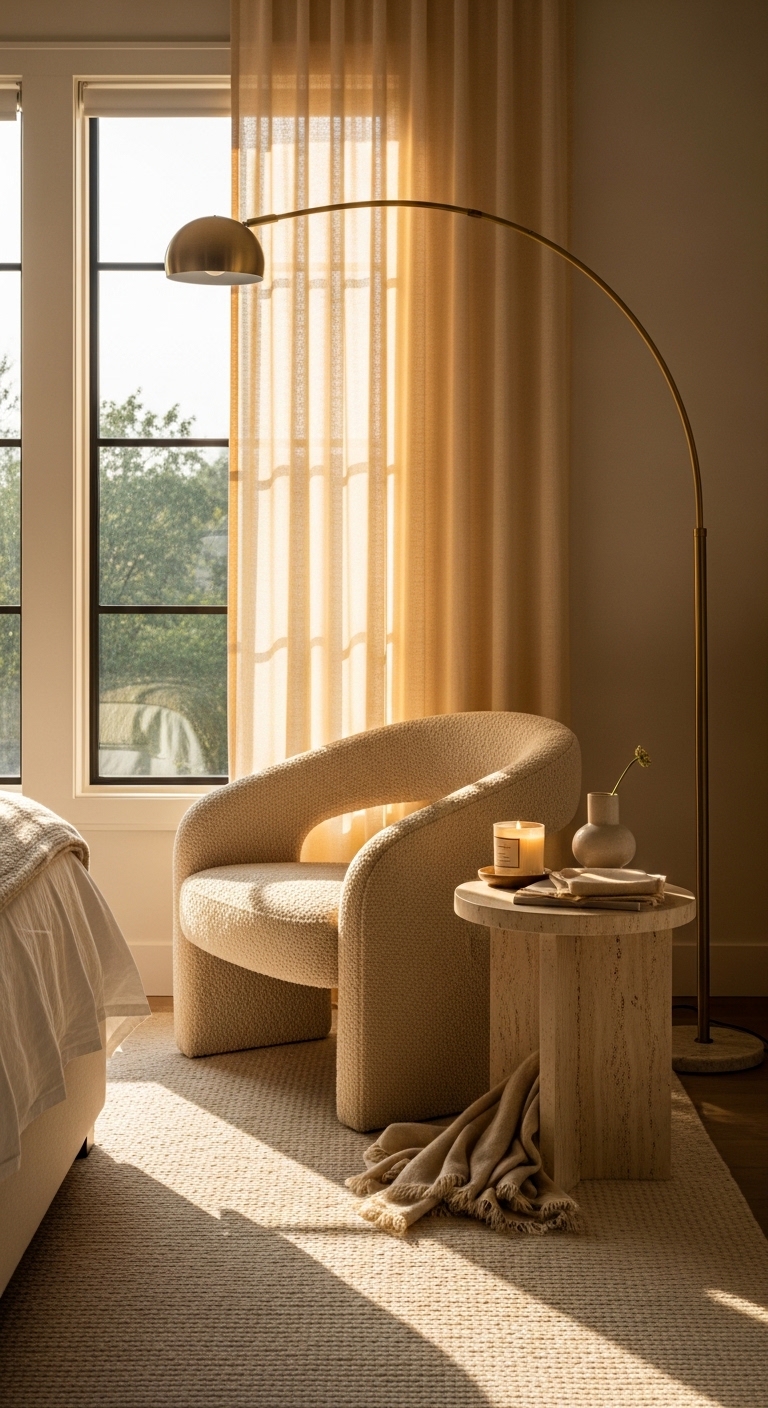
- Use the sitting area to introduce a second texture. If your bed is dressed in smooth linen, bring in a boucle or velvet chair. Contrast in texture adds richness without adding color chaos.
- Keep the palette connected. Pull one color from your existing bedding or wall color into the sitting area — a pillow, a rug tone, or a chair upholstery shade. This ties the zones together naturally.
- Avoid overhead lighting for this zone. Relying on a dedicated lamp rather than ceiling light makes the sitting area feel like a separate, intimate world within the room.
Frequently Asked Questions
How much space do I need for a sitting area in a master bedroom?
A functional sitting nook can work in as little as a 6x6 foot corner. A single accent chair, a small side table, and a floor lamp can fit comfortably in that footprint. For two chairs, aim for at least 8x8 feet to maintain comfortable clearance around the furniture.
What type of chair works best in a bedroom sitting area?
Accent chairs with slim profiles, tapered or hairpin legs, and low backs tend to work best because they take up less visual space. Avoid bulky recliners or oversized club chairs unless your room is genuinely large. Boucle, velvet, and linen upholstery all add warmth and texture beautifully.
Should the sitting area rug match the bedroom rug?
They do not need to match, but they should coordinate. Choose rugs that share a color tone or material family — for example, a jute rug under the bed and a wool rug in the sitting nook both in warm neutrals will feel cohesive without being identical.
Can I add a sitting area to a small master bedroom?
Yes, with careful editing. In a smaller room, opt for one chair instead of two, choose a wall-mounted sconce instead of a floor lamp to save floor space, and use a small folding tray table instead of a permanent side table. The key is keeping the seating footprint as compact as possible while still making the corner feel intentional.
Do I need an electrician to add a floor lamp to a bedroom sitting area?
A standard plug-in floor lamp requires no electrical work — simply plug it into an existing outlet. If you want a hardwired sconce or any ceiling fixture modifications, always consult a licensed electrician.
Budget-Friendly Upgrades for Your Sitting Nook
You do not need a full renovation budget to create a sitting area that looks considered and beautiful. Some of the most impactful changes cost very little.
- Rearrange existing furniture first — sometimes a chair already in your home just needs to move to the right corner.
- A secondhand accent chair reupholstered in a fresh fabric can cost far less than buying new, approximately $80–$200 depending on the fabric and local upholstery rates.
- Use a large floor cushion or pouffe as a flexible, affordable alternative to a chair — prices vary widely but many options start under $50.
- A simple clip-on or plug-in wall sconce avoids the need for electrical work and can be found for approximately $30–$80.
- Stack two or three oversized hardcover books as a side table — it is a designer trick that costs nothing if you already own them.
Small, intentional investments layered over time almost always look better than rushing to fill a space all at once.
A master bedroom sitting area is one of those rare design additions that genuinely changes how a room feels to live in. It shifts the energy from purely functional to deeply personal — a corner that is yours, set apart from the rest of the day. Whether you invest in a beautiful pair of armchairs or simply pull a single beloved chair to a sun-filled corner, the effect is the same: a room that invites you to stay a little longer, breathe a little slower, and actually enjoy the space you come home to every night.
Comments
Post a Comment