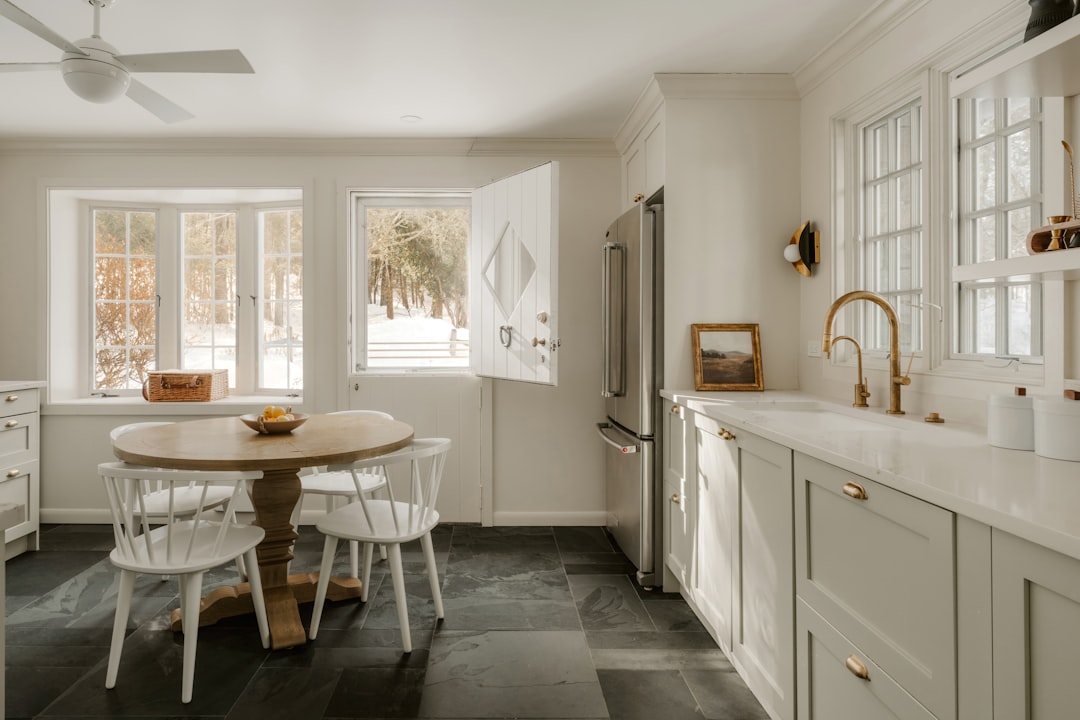
White cabinets are one of the most popular choices in kitchen design — and for good reason. They feel clean, open, and endlessly versatile. But a kitchen full of white can quickly tip from fresh to flat. The real challenge isn't the cabinets themselves. It's everything around them: the hardware you choose, the backsplash that anchors the room, the small accessories that make the space feel lived-in and intentional. These kitchen decor ideas for white cabinets are about adding warmth, texture, and personality without a full renovation.
Start With a Clear Vision
Before you buy a single piece of hardware or pick a backsplash tile, it helps to decide on a general direction. White cabinets are a blank canvas — which means they work with almost everything, but that flexibility can lead to a room that feels scattered.
Ask yourself a few grounding questions: Do you want the kitchen to feel warm and rustic, or cool and modern? Are you drawn to natural materials like wood and stone, or do you prefer a more polished, graphic look? Even a rough answer helps you filter choices faster.
A useful trick: pull three to five images you love and look for the common thread. It's usually not the cabinets — it's the metal finish, the flooring tone, or the way the light hits a particular surface. That detail is your starting point.
"White kitchens don't need more white — they need contrast, warmth, and at least one material that feels genuinely tactile." — common advice among kitchen stylists
Step-by-Step Transformation Guide
Refreshing a white cabinet kitchen doesn't require a contractor. Most of the changes that make the biggest visual difference are surface-level — and reversible, which matters a lot if you're renting.
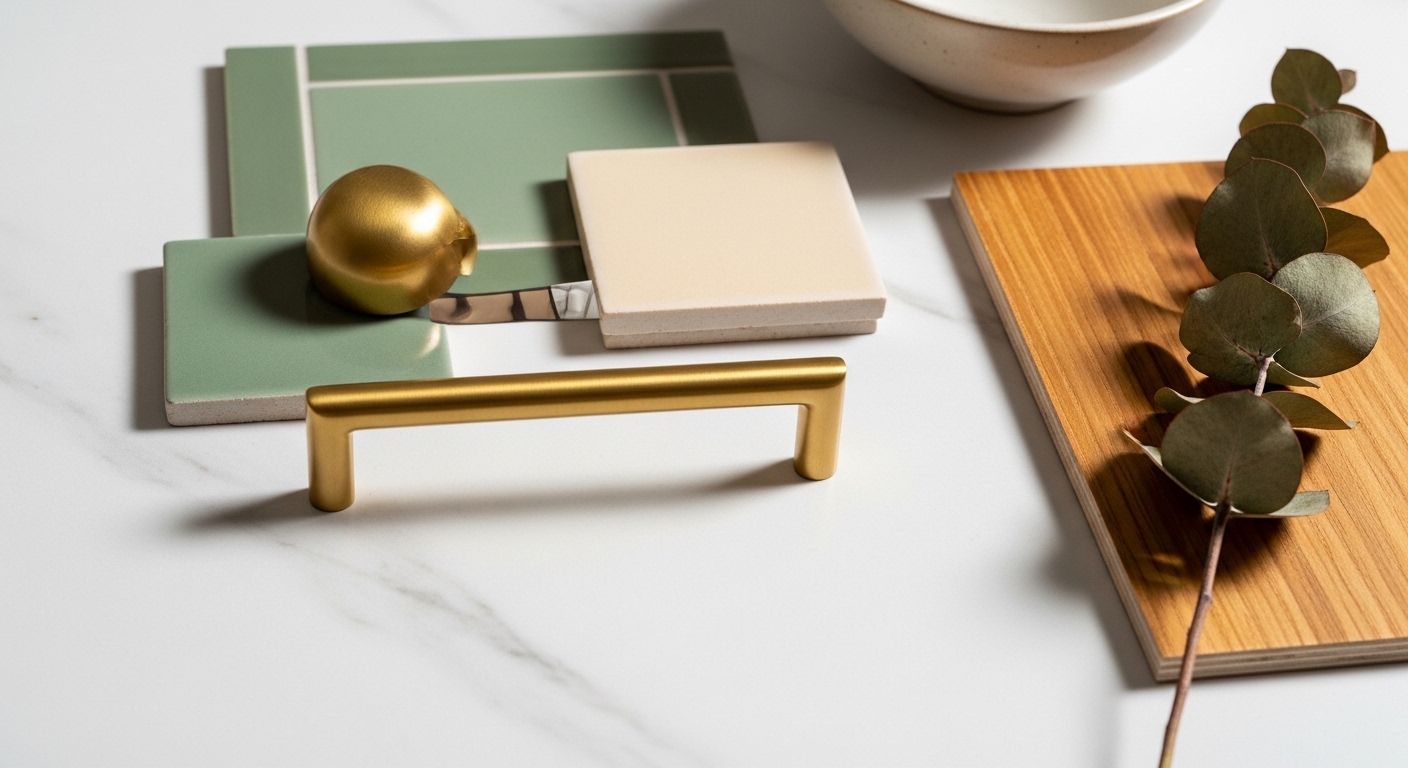
Step 1: Swap the hardware first. Cabinet pulls and knobs are the jewelry of a kitchen. Brushed brass, matte black, and unlacquered brass all read very differently against white. Brushed brass adds warmth without being flashy. Matte black creates sharp contrast and a more modern edge. Unlacquered brass develops a patina over time — beautiful, but not for everyone.
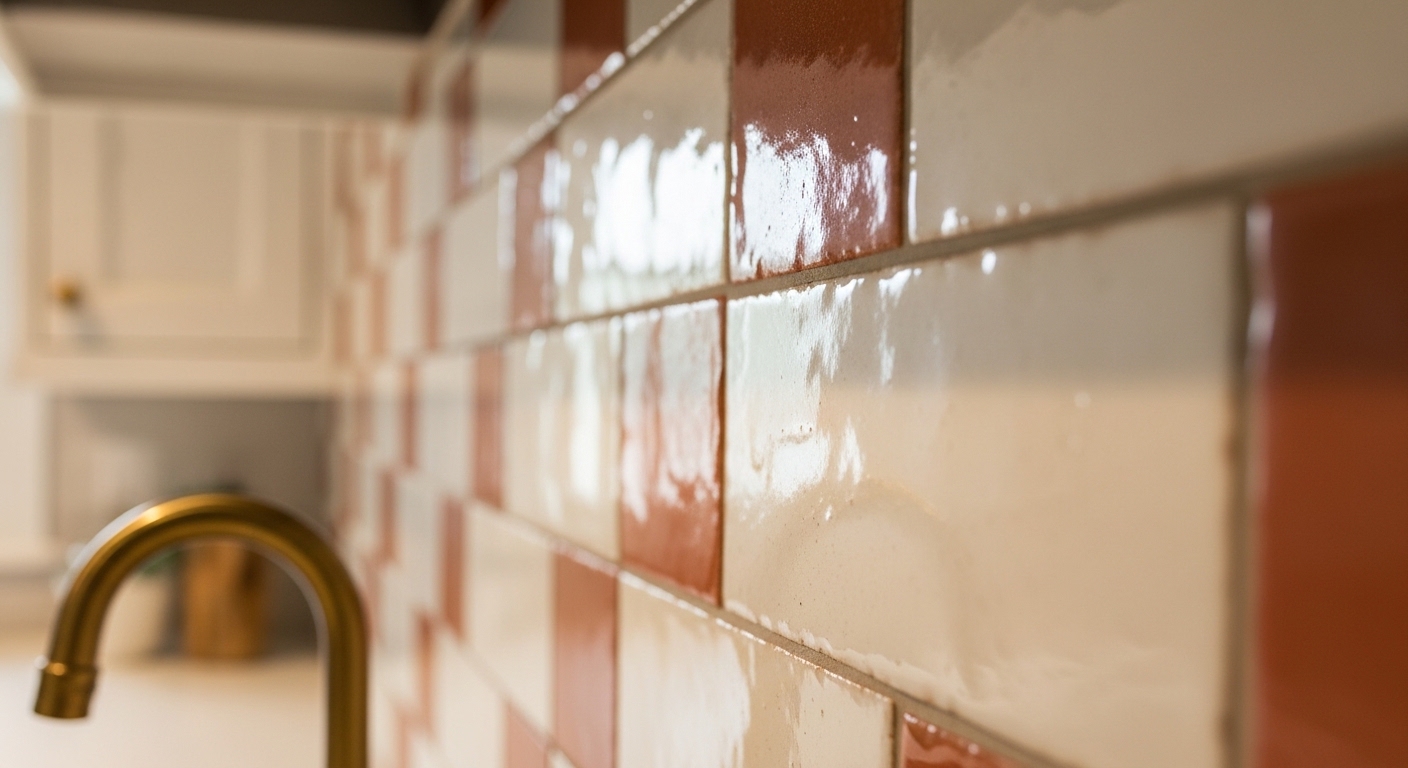
Step 2: Address the backsplash. If you can't change the existing tile, consider peel-and-stick options — the quality has improved significantly, and many are convincingly realistic. If you're working with a builder-grade subway tile, grout color alone can shift the mood. Dark grout makes white tile feel intentional and graphic. Warm beige grout softens the whole wall.
Step 3: Bring in a warm countertop or surface layer. A butcher block section, a wooden cutting board left out on the counter, or even a marble pastry board can break up the white-on-white effect without a full countertop replacement.
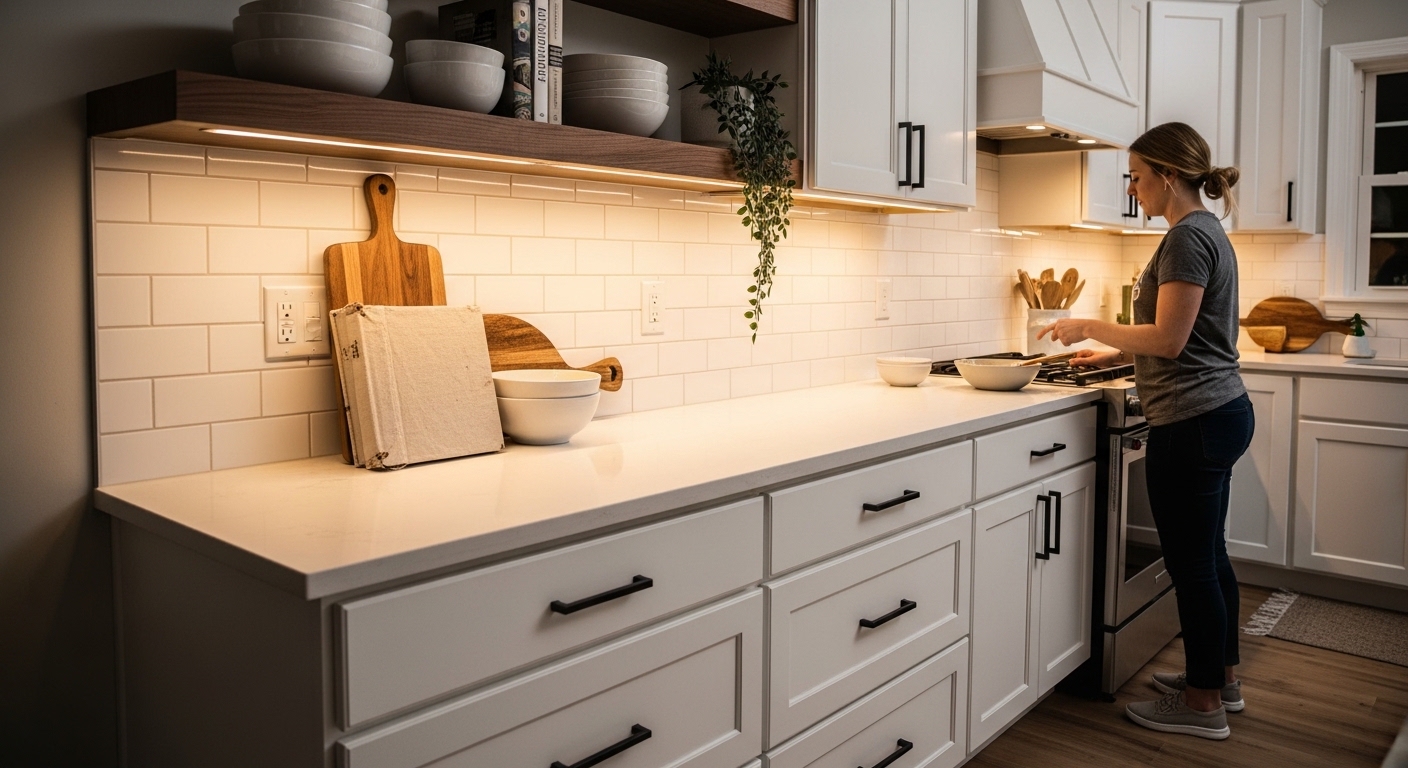
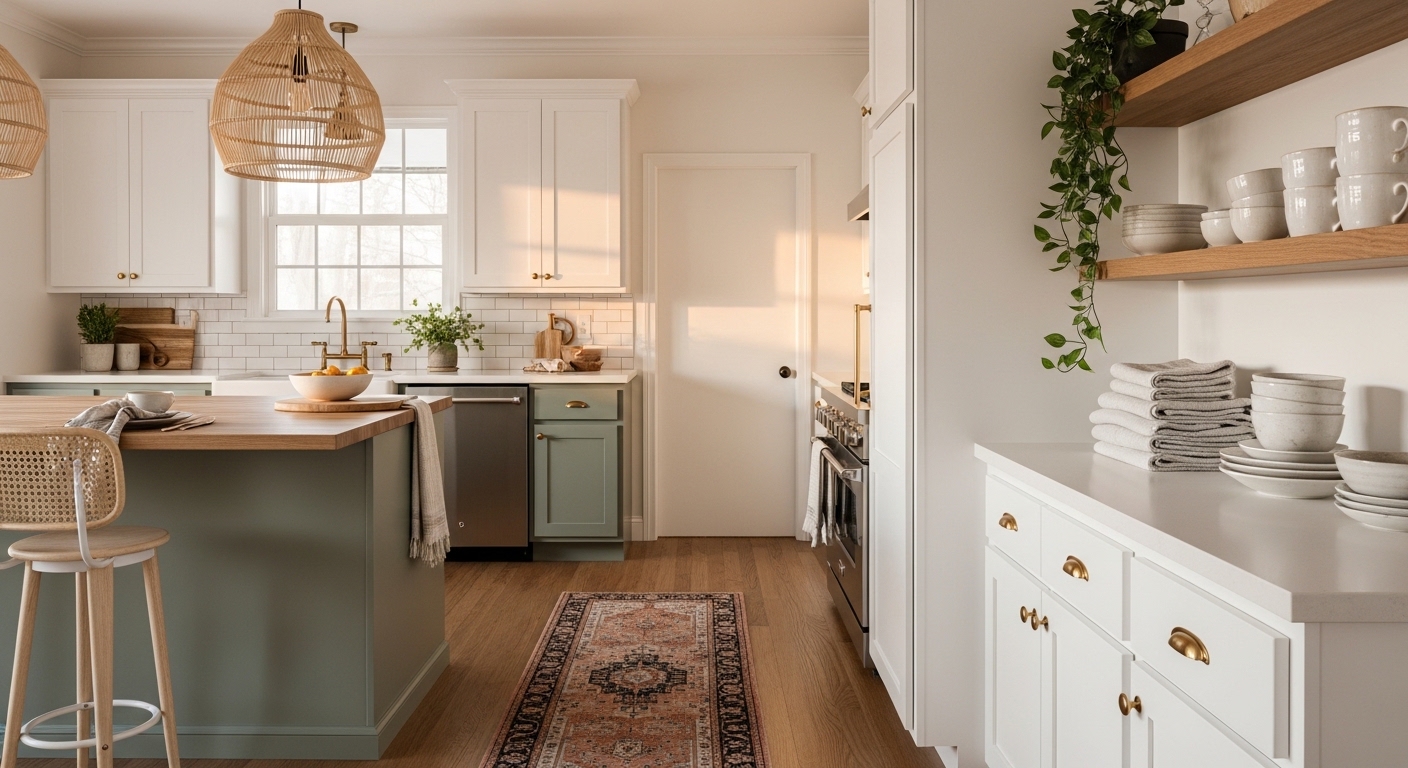
Step 4: Layer in open shelving. Even one floating shelf in a warm-toned wood adds dimension. Style it with a mix of functional items — a stack of bowls, a small plant, a few cookbooks — rather than purely decorative objects.
Step 5: Add a rug. A kitchen runner in a warm tone (terracotta, rust, sage, or even a faded vintage pattern) grounds the space and adds softness underfoot. It's one of the fastest ways to make a white kitchen feel less sterile.
- Replace hardware before anything else — it's low cost and high impact
- Use grout color strategically if tile replacement isn't possible
- Introduce at least one natural material: wood, stone, rattan, or ceramic
- A kitchen runner adds warmth and defines the work zone
- Open shelving breaks visual monotony and adds personality
Product Picks and Where to Find Them
The good news: most of the elements that add warmth to a white kitchen are relatively affordable. Prices vary by retailer and region, so treat these as approximate starting points.
- Cabinet hardware (pulls and knobs): Brushed brass or matte black bar pulls — approximately $3–$12 per piece, widely available at hardware stores and online retailers like Rejuvenation, Anthropologie Home, or Amazon.
- Peel-and-stick backsplash tiles: Realistic stone or zellige-look panels — approximately $15–$40 per square foot, available at home improvement stores and specialty tile shops.
- Floating wood shelf: Solid oak or walnut floating shelf kits — approximately $40–$120 depending on size, available at IKEA, West Elm, or local lumber yards for a custom cut.
- Kitchen runner rug: Washable cotton or flatweave runner in warm tones — approximately $30–$90, available at Target, Ruggable, or vintage markets for a one-of-a-kind find.
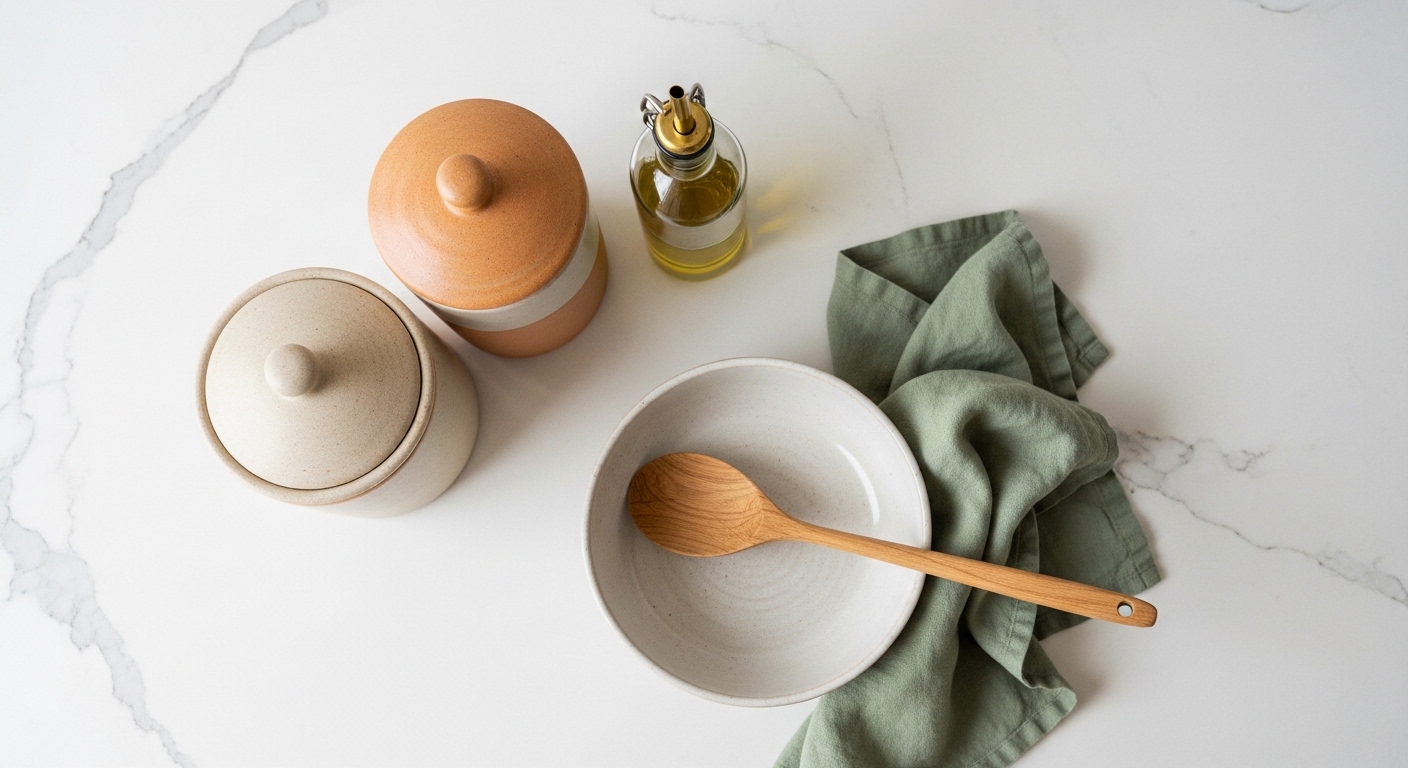
- Ceramic canisters and bowls: Handmade-look stoneware in neutral or earthy tones — approximately $15–$60 per piece, available at HomeGoods, CB2, or small Etsy ceramicists.
- Pendant lights: Aged brass or rattan pendants for over an island — approximately $60–$200 each; consult a licensed electrician for installation.
Oddly enough, the most transformative purchases are usually the smallest ones. A set of matching ceramic canisters and a new soap dispenser in the right finish can make a counter look curated rather than cluttered.
Styling Tips From Interior Designers
A few principles that come up repeatedly when designers talk about white kitchens — and that are easy to apply without professional help.
Vary the finish, not just the color. A matte cabinet finish next to a glossy tile next to a honed stone countertop creates visual interest even within a tight color palette. Texture does the work that color usually gets credit for.
Don't over-accessorize the counter. Small apartments and compact kitchens usually need fewer objects than you think. A cluttered counter makes even a beautiful kitchen feel chaotic. Edit down to the items you use daily, then add one or two purely decorative pieces with intention.
Use plants strategically. A trailing pothos on top of the cabinets, a small herb pot on the windowsill, or a single stem in a bud vase near the sink all add life without taking up workspace. The key is placement — near a light source whenever possible.
Match your metals — mostly. Mixing two metal finishes is fine and often looks more collected. Mixing three or more starts to feel accidental. If your faucet is brushed nickel, consider pulling in one more nickel element and letting a second finish (like brass) play a supporting role.
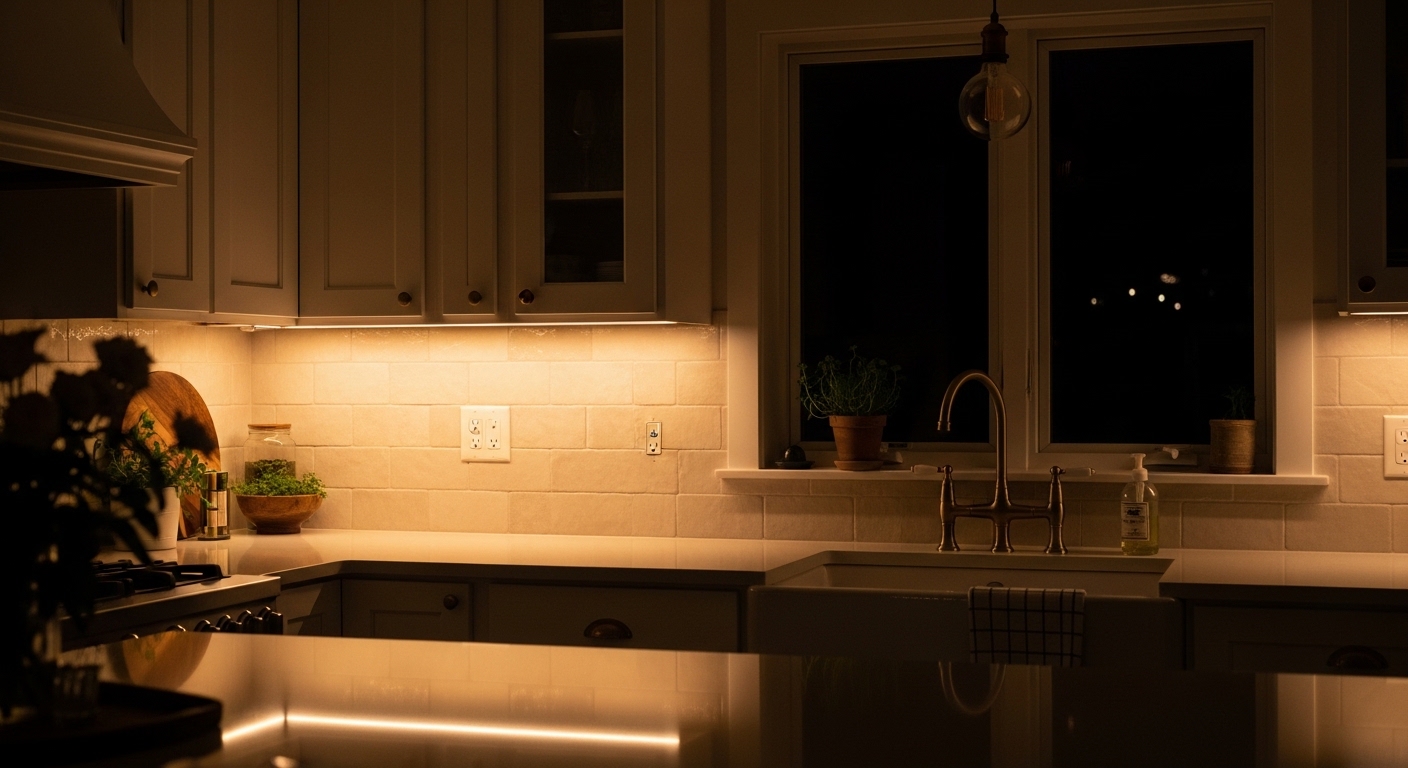
Light the counters, not just the ceiling. Under-cabinet lighting makes a dramatic difference in how a white kitchen feels at night. Plug-in LED strip lights are a renter-friendly option that requires no electrical work.
Frequently Asked Questions
What hardware finish looks best with white cabinets?
Brushed brass and matte black are both strong choices, and the right one depends on the overall mood you want. Brass reads warmer and more traditional; matte black feels crisper and more contemporary. Brushed nickel is a safe middle ground that works with almost any style.
How do I make my white kitchen feel less cold?
Introduce warm-toned materials: wood, rattan, terracotta, or aged brass. Even small additions — a wooden cutting board, a woven basket, a warm-toned rug — shift the temperature of the room noticeably. Lighting also plays a major role; swap cool-white bulbs for warm-white (2700K–3000K) wherever possible.
Can I change the backsplash without renovating?
Yes, with some caveats. Peel-and-stick tile panels have improved significantly and can work well on smooth, clean surfaces. They're not permanent and are generally considered renter-friendly, but always check with your landlord before making changes. Results vary based on the existing surface condition.
What colors go well with white cabinets?
Warm neutrals like greige, terracotta, and sage green complement white cabinets beautifully. For a more dramatic look, deep navy or forest green on a kitchen island or lower cabinets creates strong contrast. Even a warm black on the island can anchor the room without feeling heavy.
Is open shelving practical in a kitchen?
It depends on your habits. Open shelves look beautiful when styled intentionally, but they require more maintenance — dust settles on everything, and items need to stay organized. A good compromise is one or two open shelves for display, with closed cabinets handling everyday storage.
White cabinets are a starting point, not a finished room. The warmth, the character, the feeling that a kitchen is actually lived in — that all comes from the layers added around them. A considered hardware choice, a backsplash with texture, a shelf styled with things you actually use, and lighting that shifts the mood after dark. None of it requires a renovation. Most of it can be done on a weekend, adjusted over time, and taken with you when you move. Start with one change, see how it shifts the room, and build from there.
Comments
Post a Comment